top of page


FOOD SCIENCE
Know Your Food. Know Its Impact.
Food is more than calories and flavor — it is information that directly influences how the body functions, heals, and performs. The ingredients we consume can affect energy levels, metabolism, hormones, brain function, inflammation, digestion, and long-term health in ways many people never fully realize.
This section explores the science behind modern food, ingredients, additives, processing methods, and nutrition.
By understanding what’s truly in our food and how it interacts with the body, we can make more informed choices that support health, vitality, and overall well-being.


Creatine: More Than a Bodybuilding Supplement
Often associated with bodybuilders and gym culture, creatine is actually a natural compound your body already produces and uses every day. Supplementation can support strength, recovery, muscle growth, brain health, and the preservation of mobility and independence as we age. Few nutritional supplements have been studied as extensively or demonstrated such a strong combination of effectiveness, safety, and affordability.

ketogenicfasting
Jul 97 min read


Fruit Juice: When Healthy Fruit Becomes a Sugary Drink
Fruit juice may come from fruit, but it is not nutritionally equivalent to eating whole fruit. Juicing removes most of the fiber, concentrates the naturally occurring sugars, and makes it easy to consume the sugar from several servings in a single glass. Even 100% juice can contain as much sugar as soda. Learn how fruit juice is processed, why it affects your body differently than whole fruit, and what healthier beverage choices to consider.
ketogenicfasting
Jul 38 min read


Fake Food Series: 🌾 How Oatly Turned Oat Water into a Global Phenomenon
Oatly has become a global success through celebrity backing, major investment, strategic partnerships, and bold environmental marketing. But beneath the branding is a manufactured beverage made from water, oats, refined canola oil, and added ingredients. Rather than accepting marketing claims at face value, read the label, examine the ingredients, and make informed decisions based on what's actually in your cup.
ketogenicfasting
Jul 23 min read


Unappealing "Apeel": The New Way to Reduce Food Waste? Eat It.
Fresh produce isn't always as natural as it appears. Apeel is an invisible post-harvest coating made from processed plant oil compounds that extends shelf life by slowing moisture loss and oxidation. The article examines how the coating is applied, where it is used, and why some consumers question its transparency, long-term stability, and use on organic produce. It also explores concerns about aging produce that still appears fresh and offers practical steps consumers can ta
ketogenicfasting
Jul 16 min read


The Stem Cell Secret in Your Chocolate: How Cacao Supports Healing and Longevity
Cacao may help mobilize stem cells from bone marrow to support tissue repair and regeneration. Stem cells decline with age, limiting healing, but cacao’s rich polyphenols—especially flavanols—can reduce inflammation and oxidative stress. Studies show high-flavanol cocoa doubled circulating stem cells in adults, suggesting cacao may support cardiovascular and cellular health as we age.
ketogenicfasting
Jun 2911 min read


Seed Oils: The Metabolic Time Bomb Hiding in Your Diet
Industrial seed oils dominate today's food supply, yet few people understand how they are made or why they've become controversial. Learn how seed oils are extracted, refined, and oxidized, why excessive Omega-6 intake matters, how they differ from traditional fats, and which oils are more stable. Discover how informed fat choices can reduce exposure to oxidized oils and support long-term metabolic health.
ketogenicfasting
Jun 287 min read


Sunflower Oil: One of the Better Seed Oils, But Still Not the Best Choice
Sunflower oil is not all the same. Traditional high-linoleic varieties are rich in fragile Omega-6 fats, while high-oleic varieties are more stable. Cold-pressed, high-oleic sunflower oil retains more natural nutrients and resists oxidation better than refined versions. Although it is one of the better seed oils, naturally stable fats like olive oil, avocado oil, butter, ghee, and tallow remain the preferred choice.
ketogenicfasting
Jun 285 min read


Canola: How Did An Engine Lubricant Become An Industrial "Food"?
Canola oil is an aggressively marketed Canadian industrial cooking oil developed by selectively breeding rapeseed to reduce its erucic acid content. Today, most commercial canola is genetically engineered and extensively refined using solvent extraction, bleaching, deodorization, and high-temperature processing. Its extensive industrial processing, susceptibility to oxidation, high omega-6 content, and pro-inflammatory nature are compelling reasons to avoid it altogether.
ketogenicfasting
Jun 274 min read


Spinach Is Exceptionally Nutritious—So Why Does Comfort Keto Prepare It Differently?
Spinach is one of the world's most nutritious vegetables, but it is also exceptionally high in naturally occurring oxalates. Learn why Comfort Keto prepares spinach differently, how briefly boiling, draining, and rinsing can reduce soluble oxalates, and why we favor thoughtful preparation over avoidance. Discover the philosophy behind our continually evolving "living recipes" and our commitment to authentic ketogenic cuisine.
ketogenicfasting
Jun 263 min read


💎 Oxalates in Plant Foods Explained: The Good, the Bad, and the Facts
Oxalates are natural compounds in some plant foods that can bind to calcium in the body. Excess oxalates may form calcium oxalate kidney stones—8 in 10 stones are this type. High-oxalate foods include spinach, beets, rhubarb, and black tea. To reduce risk, stay hydrated, limit salt and protein, avoid high-dose vitamin C, and eat calcium-rich foods like broccoli and kale with meals. Proper cooking can reduce oxalate content in plant foods.
ketogenicfasting
Jun 265 min read


⚗️ Understanding pH: Acidic Foods Can Still Alkalize Your Body
Not all acidic foods are acid-forming. While many plant-based foods have low pH values, they promote alkalinity in the body after digestion. In contrast, animal products—even those with similar pH—tend to be acid-forming. Lifestyle factors like stress and poor sleep also influence your pH balance. This guide clears up common misconceptions about food, pH, and how your body processes what you eat.
ketogenicfasting
Jun 255 min read


Pure Organic Diet Reduces Glyphosate Levels in Body by 70% in Just Six Days
Multiple studies suggest that switching to a purely organic diet can significantly reduce exposure to glyphosate and other common agricultural pesticides. In one study, glyphosate levels fell by more than 70% after just six days on a purely organic diet, with most of the reduction occurring within the first three days. Although a purely organic diet cannot eliminate pesticide exposure entirely, the evidence shows it is an effective way to substantially reduce the body's pesti
ketogenicfasting
Jun 256 min read


🧁🍩🍰 Not So Fine: Refined Carbohydrates
Refined carbohydrates are foods from which fiber, vitamins, minerals, and other nutrients have been removed. Common examples include white flour, white bread, pastries, breakfast cereals, sugary drinks, and many packaged snacks. What remains is primarily starch and sugar, which digest quickly, raise blood sugar rapidly, and provide far less nutrition than the original food.
ketogenicfasting
Jun 245 min read


20 Famous Cheeses: Their Regions, Traditions, and How They're Made
Yes, cheese is keto-friendly due to its high fat and low carb content. Just watch portion sizes, as carbs can add up. Hard cheeses typically have fewer carbs than soft ones. Avoid pre-shredded cheese with added starches. Net carbs range from 0g (Babybel, chèvre, halloumi) to about 1.6g per ounce (cream cheese), with cottage cheese being the highest at 2.9g per 4 oz. Chef Janine prefers low-carb varieties like Gruyère, Brie, and Camembert.
ketogenicfasting
Jun 225 min read


Beginner's Guide: Foods to Limit or Avoid on Keto
One of the first questions people ask when starting a ketogenic lifestyle is: "What foods should I avoid?" This reference directory organizes articles and videos from the Comfort Keto™ Knowledge Hub into easy-to-navigate categories, including sugars and sweeteners, seed oils, dairy foods, grains and legumes, fruits, and broader food-system topics. Follow the links to explore the foods, ingredients, and modern food practices most commonly discussed in ketogenic living and meta
ketogenicfasting
Jun 214 min read


Industrial Seed Oils: The Hidden Danger in Modern Foods
Seed oils such as soybean, corn, canola, sunflower, and cottonseed oil are rich in linoleic acid, an omega-6 polyunsaturated fat. While small amounts are necessary, modern diets contain excessive amounts through processed foods and restaurant cooking. Linoleic acid is highly susceptible to oxidation and can contribute to oxidative stress, inflammation, and omega-3/omega-6 imbalance. At Comfort Keto, we choose minimally processed oils that are stable and have stood the test of
ketogenicfasting
Jun 193 min read


Beginner's Guide: Comparing Common Sweeteners
Sweeteners differ in how they affect the body. Sugar-based sweeteners such as sucrose, honey, maple syrup, agave nectar, HFCS, and lactose provide calories and carbohydrates, while non-nutritive sweeteners such as stevia and monk fruit have little or no effect on blood sugar. Natural does not automatically mean low sugar, and a smaller blood sugar rise does not necessarily mean a sweetener is harmless. Understanding these differences helps you make informed low-carb choices.
ketogenicfasting
Jun 184 min read


Beginner's Guide: What Is Lactose?
Lactose is the natural sugar found in milk and dairy products. It is made of two sugars, glucose and galactose, and must be broken down by the enzyme lactase before it can be absorbed. Lactose intolerance occurs when the body no longer produces enough lactase, leaving some lactose undigested and causing symptoms such as bloating, gas, and cramps. Fermentation reduces lactose because bacteria consume some of it. Lactose-free milk is not sugar-free milk—the sugar remains in the
ketogenicfasting
Jun 184 min read


Beginner's Guide: High Fructose Corn Syrup Explained
High Fructose Corn Syrup (HFCS) is a sweetener made from corn starch by converting some glucose into fructose. Commonly used in soft drinks, cereals, yogurts, sauces, and other processed foods, HFCS became popular because it is inexpensive, easy to use, and provides consistent sweetness. Although often viewed differently than table sugar, its fructose content is very similar. The bigger concern is excessive consumption of added sugars from any source.
ketogenicfasting
Jun 173 min read


Beginner's Guide: What Is Fructose?
Fructose is a naturally occurring sugar found in fruit, honey, vegetables, table sugar, and High Fructose Corn Syrup (HFCS). Unlike glucose, which is used directly by nearly every cell for energy, fructose is processed primarily by the liver. While humans have consumed fructose for thousands of years, modern diets provide much larger amounts through added sugars and processed foods. Excessive intake may contribute to fatty liver and other metabolic health concerns.
ketogenicfasting
Jun 174 min read


Beginner's Guide: What Is Glucose?
Glucose is the body's most readily available source of energy. After carbohydrates are consumed, they are converted into glucose and enter the bloodstream, triggering the release of insulin. Insulin helps glucose enter cells where it can be used as fuel. Problems arise when too much glucose arrives too often, causing blood sugar and insulin to remain elevated. Over time, this can lead to insulin resistance and other health problems. A ketogenic lifestyle helps stop constant g
ketogenicfasting
Jun 173 min read


Beginner's Guide: What Is a Carbohydrate?
This beginner-friendly guide explains what carbohydrates are and how they fit into the diet. Learn the difference between sugars, starches, and fiber, how carbohydrates are broken down during digestion, and why glucose plays a central role in carbohydrate metabolism. The article also introduces net carbs, simple and complex carbohydrates, and explains how these concepts help people make more informed food choices.
ketogenicfasting
Jun 164 min read


5-HTP and Serotonin: Neurochemical for the Brain, GI System and Blood
5-HTP is a natural compound that helps the body produce serotonin, a key neurotransmitter involved in mood, sleep, appetite, and pain regulation. Modern lifestyles—including chronic stress, poor sleep, skipped meals, and excessive screen time—can contribute to low serotonin levels. By supporting serotonin production, 5-HTP may help promote better sleep, reduce cravings, improve mood, and support overall well-being when combined with healthy lifestyle habits and proper nutriti
ketogenicfasting
Jun 45 min read


Our Bodies Are Not Designed to Run on Carbohydrates | by Dr. Gary Fettke
Have dietary guidelines led us in the wrong direction? In this presentation, Dr. Gary Fettke examines the science behind carbohydrates, glucose, fructose, seed oils, the Mediterranean diet, and omega-3 fats, offering his perspective on many of today's most debated nutrition topics. Watch with an open mind, examine the evidence presented, and draw your own conclusions.
ketogenicfasting
May 311 min read


Which Cheeses Are Best for Ketogenic Diet?
Cheese is one of the most keto-friendly foods due to its high fat, protein, and low carbohydrate content. Aged hard cheeses like Parmesan, Gruyère, Gouda, Pecorino Romano, and aged cheddar are especially ideal because fermentation lowers lactose while concentrating nutrients, healthy fats, and flavor. Comfort Keto recipes frequently use these cheeses to add richness, protein, and depth without significantly increasing carb intake.
ketogenicfasting
May 14 min read


Get Cultured! Fermented vs Pickled
Fermented foods are often mistaken as high in carbs, but fermentation actually reduces sugars and starches as beneficial bacteria convert them into lactic acid and probiotics. This lowers carb content while improving digestion, nutrient absorption, and gut health. Foods like kombucha, yogurt, aged cheeses, and fermented vegetables become more digestible and nutrient-dense over time. The longer they ferment, the lower the carbs and the deeper the flavor—supporting a healthy, l
ketogenicfasting
Apr 239 min read


The Failed Food Pyramid: The Nutrition Policy That Left America Sick
The 1992 USDA Food Pyramid promoted a carbohydrate-dominant diet that shaped U.S. nutrition policy, school meal programs, food manufacturing, and eating habits for decades. This article examines its origins, Ancel Keys' influence, its impact on America's food system, and why critics link it to rising obesity, type 2 diabetes, and metabolic disease before its retirement in Spring 2026.
ketogenicfasting
Apr 14 min read


3-Part Keto Workshop Series
A three-part, beginner-friendly Keto Workshop Series combining practical tips for eating for better health, live cooking demos, and tasting of simple, quick-to-prepare keto meal ideas. Designed for wellness-focused individuals and groups, each session focuses on making ketogenic cooking simple, approachable, and easy to do at home. A relaxed experience centered around learning, feasting, and enjoying nutritious food together. Optional hosted venue available in San Jacinto.
ketogenicfasting
Mar 313 min read


🍯 The Metabolic Health Series — Part VII: Artificial Sweeteners
Monk fruit and stevia are both keto-friendly sweeteners, but they differ in taste and use. Monk fruit offers a clean, sugar-like flavor and works well in baking, cooking, and cream-based recipes. Stevia is more affordable but often has a bitter aftertaste and is better suited for simple uses like drinks. For real culinary applications, monk fruit is the superior choice.
ketogenicfasting
Mar 271 min read


🥩 The Metabolic Health Series — Part VI: Protein Quality
Protein quality matters as much as quantity. Animal proteins like beef, chicken, fish, and eggs are highly bioavailable (about 90–98%), meaning your body can use most of what you eat. Plant proteins are less efficient (about 40–75%) and often incomplete. Nutrient-dense options like liver provide powerful benefits in small amounts. Choosing whole, properly prepared proteins supports satiety, strength, and long-term metabolic health.
ketogenicfasting
Mar 272 min read


⏱️ The Metabolic Health Series — Part V: Intermittent Fasting
Intermittent fasting focuses on when you eat, not just what you eat. By creating periods without food, insulin levels drop and the body shifts from storing energy to using it, supporting fat burning and metabolic balance. Constant eating keeps the body in storage mode, while fasting restores natural rhythms. Combined with real food, fasting helps stabilize energy, reduce cravings, and improve overall metabolic function.
ketogenicfasting
Mar 272 min read


🥥 The Metabolic Health Series — Part IV: The Fat Guide
On keto, fat becomes your main fuel—but quality matters. Traditional fats like butter, tallow, lard, bacon grease, olive oil, and cream support stable energy and satiety. Functional fats like coconut oil can enhance ketone production. In contrast, industrial seed oils and highly processed fats may disrupt metabolism. The key is not just eating more fat, but choosing real, minimally processed fats that the body recognizes and uses efficiently.
ketogenicfasting
Mar 273 min read


🧠The Metabolic Health Series — Part III: Metabolic Intelligence
Metabolic intelligence is about understanding how your body responds to food and making choices that support it. Keto is a useful tool, but not a one-size-fits-all solution. True health comes from listening to your body, prioritizing real food, and developing flexibility—being able to burn fat and handle carbohydrates efficiently. The goal isn’t strict dieting, but a balanced metabolism that works smoothly over time.
ketogenicfasting
Mar 273 min read


🥩 The Metabolic Health Series — Part II: Real Keto vs Fake Keto
Keto works differently depending on what you eat—not just how many carbs you cut. Many people follow “keto” using processed foods, artificial ingredients, and industrial oils, which can keep them in ketosis but not in balance. Real keto focuses on whole, nutrient-dense foods that support digestion, stable energy, and true satiety. The key is not just low carbs—but choosing real food the body recognizes.
ketogenicfasting
Mar 262 min read


🥩 The Metabolic Health Series — Part I: Keto Isn’t a Fad—It’s a Metabolic Shift
Keto is not just about cutting carbs—it’s about how your body uses fuel. When carbs are lowered, insulin drops, stored sugar is used, and the body shifts to producing ketones for energy. Not all calories act the same; real, whole foods support stable energy and satiety, while processed foods disrupt it. Understanding this shift helps restore metabolic balance and how your body naturally regulates hunger.
ketogenicfasting
Mar 263 min read


The Pre-Keto Sugar Detox Food Plan—Knowledge Library E-Book
A successful keto transition starts before ketosis. The Pre-Keto Sugar Detox Food Plan is a 1–2 week metabolic reset that reduces sugar dependence, lowers inflammation, supports the liver, and stabilizes blood sugar. By removing processed foods and easing carbs gradually—while focusing on whole foods and digestion—you prepare your metabolism to shift smoothly into fat-based fuel, reducing cravings, fatigue, and early burnout.
ketogenicfasting
Jan 293 min read


Basics of the Ketogenic Diet—Knowledge Library E-Book
The ketogenic diet is no longer viewed as a fringe trend but as a powerful metabolic therapy gaining mainstream recognition. As chronic diseases linked to poor metabolism rise, healthcare and public policy are shifting toward prevention through nutrition and lifestyle rather than symptom treatment alone. Keto focuses on low carbohydrates, moderate protein, and healthy fats to promote ketosis, stabilize energy, improve insulin sensitivity, reduce inflammation, and support long
ketogenicfasting
Jan 295 min read


Energy Metabolism—Knowledge Library E-Book
Energy metabolism is how the body converts food into ATP, the fuel that powers every cell. Calories alone don’t determine health—fuel type does. Glucose requires insulin and has limited storage, while nutritional fats produce ketones that enter cells easily, generate more stable energy, and place less stress on metabolism. Ketogenic metabolism supports mitochondrial efficiency, lower insulin demand, reduced inflammation, and long-term metabolic resilience.
ketogenicfasting
Jan 294 min read


How to Radically Reduce Cancer Risk - Part III
Part 3 of this three-part guide focuses on advanced metabolic, immune, and lifestyle strategies for reducing cancer risk. It emphasizes preserving cell differentiation, strengthening NK cell surveillance, controlling insulin and glucose, improving oxygen efficiency through exercise, reducing toxic burden, enhancing mitochondrial resilience, and minimizing environmental stressors—creating an internal terrain where cancer struggles to develop and thrive.
ketogenicfasting
Jan 2419 min read


How to Radically Reduce Cancer Risk - Part II
Part 2 of this three-part guide focuses on strengthening the body’s internal cancer defenses through immune and metabolic optimization. It highlights proper cell differentiation, Natural Killer cell vigilance, inflammation control, detoxification, mineral balance, mitochondrial health, and immune modulation using targeted nutrients, medicinal mushrooms, and whole foods to create a biological terrain where cancer struggles to take hold.
ketogenicfasting
Jan 2420 min read


How to Radically Reduce Cancer Risk - PART I
Part 1 of this three-part guide establishes the core cancer-prevention framework: preserving cell differentiation, strengthening NK cell surveillance, and reducing the metabolic conditions that favor tumor growth. It covers foundational practices including vitamin D optimization, cold therapy, intermittent fasting, anti-cancer culinary herbs, minimizing radiation while protecting the thyroid, food-based folate, and metabolic discipline through ketogenic eating and avoiding sn
ketogenicfasting
Jan 2422 min read


Goodbye Sugar, Hello Steak: The 2025–2030 Dietary Guidelines Take U.S. Nutrition in a New Direction
The 2025–2030 Dietary Guidelines mark a clear reset in U.S. nutrition policy. They move away from nutrient counting and low-fat dogma toward real, whole foods as the foundation of health. Ultra-processed foods and added sugar are explicitly discouraged, protein is prioritized at every meal, healthy fats from whole foods are welcomed, and alcohol guidance is tightened. The focus shifts to food quality, satiety, metabolic and gut health, with system-wide implications beyond the
ketogenicfasting
Jan 89 min read


Making of a Public Health Crisis: Sugar Lobby, Science, and Media
This blog post examines how corporate influence shaped nutrition science and dietary policy. It argues that the sugar industry redirected attention away from sugar and refined carbohydrates and toward dietary fat through funded research, academic partnerships, and federal dietary guidelines. The article traces the rise of the low-fat era, the promotion of industrial food substitutes, and the long-term impact these policies had on public health, chronic disease, and trust in n
ketogenicfasting
Dec 29, 20257 min read


Fed A Lie: The Hidden History of Seed Oils and the Rise of Modern Disease
“Fed A Lie” (Nov 2024) exposes how seed oils—marketed for decades as “heart-healthy”—have fueled the rise of obesity and chronic disease. Featuring Paul Saladino MD, Nina Teicholz PhD, Chris Knobbe MD, and athlete Bethany Hamilton 🏄🏼, the film reveals the history, science, and industry influence behind these industrial oils and urges a return to real, ancestral, nutrient-dense foods.
ketogenicfasting
Nov 24, 20254 min read


Herbal Medicine: A Timeless, Holistic Approach to Natural Healing
Herbal medicine is a timeless healing tradition rooted in humanity’s long relationship with plants and nature. This article reflects our philosophy that true wellness begins by supporting the body’s natural healing processes through medicinal herbs, nutrition, lifestyle, and holistic care. It explores principles such as mind-body-spirit balance, nature-based healing, preventative wellness, and the use of traditional medicinal herbs to promote vitality and overall well-being.
ketogenicfasting
Nov 17, 20253 min read


The Gut–Illness Connection: 5 Herbs That Could Transform Modern Health
Herbal medicine expert Simon Mills reveals how poor gut health drives chronic illness, why antibiotic resistance is rising, and how everyday herbs—from garlic to turmeric—can support immunity, reduce inflammation, and offer natural alternatives to common drugs. He shares diet tips, plant remedies, and habits for long-term wellness.
ketogenicfasting
Nov 17, 20253 min read
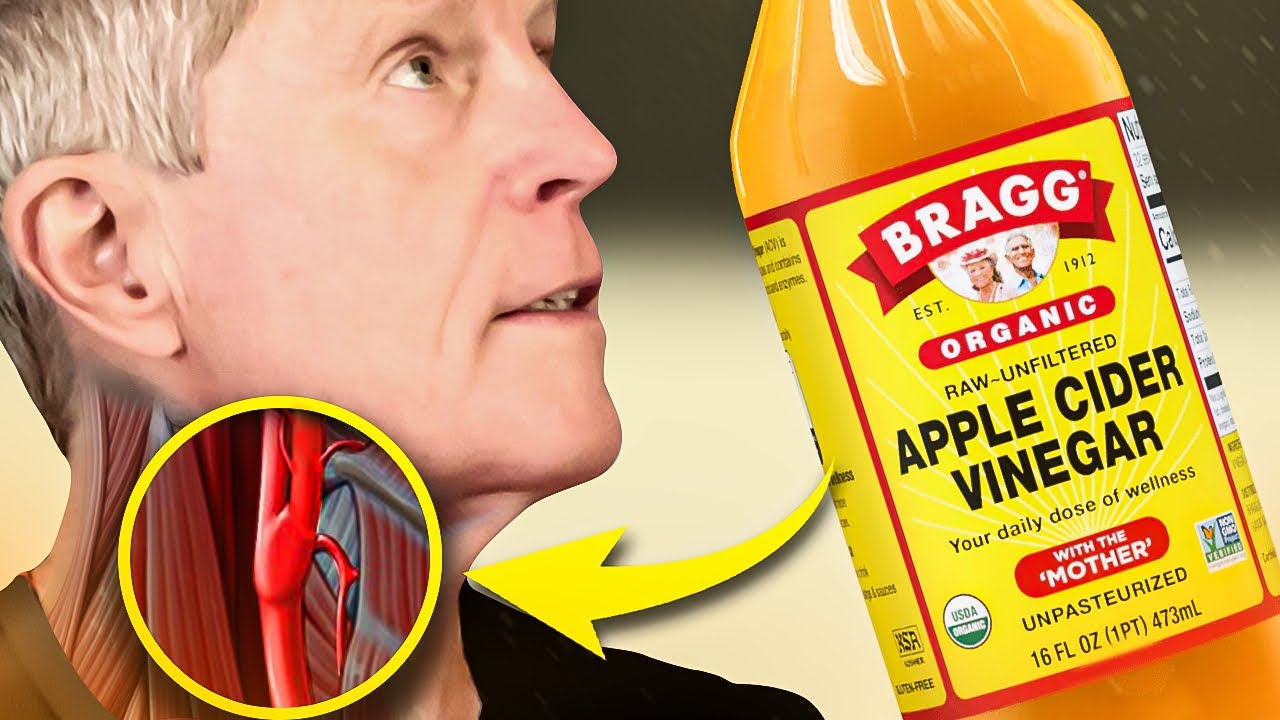
🍎 Can Apple Cider Vinegar Help Prevent Arterial Plaque?
Apple cider vinegar is often promoted for blood sugar control, heart health, weight management, and digestion—but what does the science actually say? In this article and video, Dr. Ford Brewer examines the evidence behind ACV, separating proven benefits from popular myths. Learn how it may support metabolic and cardiovascular health, where its limitations lie, and why it works best as part of a healthy lifestyle—not as a miracle cure.
ketogenicfasting
Sep 11, 20254 min read


🥐 Breakfast: How Marketing Created the "Most Important Meal of the Day"
The idea that breakfast is the most important meal of the day owes much of its popularity to cereal marketing. Before the Industrial Revolution, breakfast was not a standardized routine, and some cultures ate only one meal daily. Early cereals were created as health foods but evolved into heavily marketed products. Today, growing interest in intermittent fasting and ketogenic diets is prompting many people to rethink traditional breakfast habits.
ketogenicfasting
Jul 25, 20254 min read


The Glycemic Index: What It Measures — and What It Doesn't
What does the Glycemic Index (GI) actually measure? Learn how GI affects blood sugar, why low-GI foods are not always keto-friendly, and why total carbohydrates often matter more for ketogenic diets. Discover the difference between Glycemic Index, Glycemic Load, and net carbs, and how Comfort Keto evaluates foods for blood sugar management and low-carb living.
ketogenicfasting
Jul 8, 20254 min read


❄️ Emergency Frozen Dinners: When an Empty Fridge Leaves You No Choice
Frozen dinners offer convenience when time is short or the refrigerator is empty, but most conventional products rely heavily on refined carbohydrates, industrial seed oils, added sugars, flavor enhancers, stabilizers, preservatives, and other ultra-processed ingredients. Learning to read ingredient lists instead of front-label marketing helps you make more informed choices and reserve these meals for occasional emergencies rather than everyday eating.
ketogenicfasting
Jul 4, 20256 min read
bottom of page