

💎 Oxalates in Plant Foods Explained: The Good, the Bad, and the Facts

Oxalates (salts of oxalic acid) are naturally occurring compounds found in many plant foods. As food moves through the digestive tract, oxalates can bind to calcium. When this occurs in the stomach and intestines, the resulting calcium oxalate is largely excreted in the stool, reducing the amount of oxalate absorbed into the bloodstream.
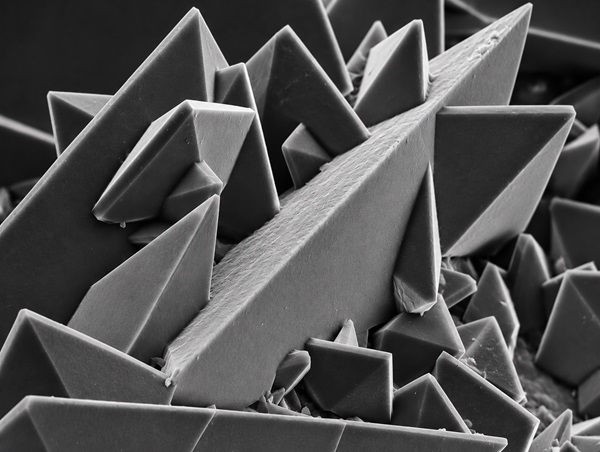
Where calcium binds to oxalate matters. In the digestive tract, the two leave the body together in the stool. In the kidneys, they can combine to form calcium oxalate crystals, the most common type of kidney stone.
In plants, oxalates help regulate excess calcium by binding to it and storing it as calcium oxalate crystals. While this serves an important biological function for the plant, high oxalate intake can pose problems for some people. If absorbed into the bloodstream, oxalate can later combine with calcium in the kidneys or urinary tract to form calcium oxalate crystals—the most common type of kidney stone.
When a person consumes foods that are exceptionally high in oxalates, not all of the oxalate binds to calcium in the digestive tract. The unbound oxalate can be absorbed into the bloodstream, filtered by the kidneys, and ultimately excreted in the urine.
As the kidneys filter the blood, they remove waste products and excess minerals, which are carried out of the body in urine. Under normal conditions, these substances remain dissolved in the urine. However, when urine becomes highly concentrated—often due to inadequate fluid intake—or contains excessive amounts of oxalate, calcium, or other stone-forming compounds, microscopic crystals can begin to develop. Over time, these crystals may grow, stick together, and form a kidney stone.
Calcium oxalate stones are by far the most common type of kidney stone, accounting for approximately 80% of all cases. They form when calcium and oxalate combine in the urine to create hard crystals. Several factors can increase the risk of calcium oxalate stone formation, including high urinary oxalate levels, low urine volume (dehydration), certain medical conditions, and genetic predisposition.
There are several different types of kidney stones, and identifying the type is important because treatment and prevention strategies vary. If you pass or have a kidney stone removed, your healthcare provider can analyze its composition to determine the specific type and recommend the most appropriate preventive measures.
Some Plant-Based Foods That Are Relatively Rich in Oxalates
Many plant-based foods that are relatively rich in oxalates are also excellent sources of fiber, vitamins, minerals, and beneficial plant compounds. For most healthy people, these foods can be enjoyed as part of a varied, well-balanced diet. The goal is not to eliminate them entirely, but to be aware of their oxalate content and consume them in moderation while maintaining adequate hydration and calcium intake.
The average daily oxalate intake in Western diets is estimated to range from 70 to 150 mg. Black tea is one of the largest dietary contributors, while spinach, rhubarb, beet greens, almonds, and beets are among the richest food sources of oxalates.

People who regularly consume large amounts of high-oxalate plant foods, such as some vegetarians and vegans, may have a higher overall oxalate intake. If this is combined with inadequate calcium intake, less oxalate is bound in the digestive tract, allowing more to be absorbed into the bloodstream. This leaves less calcium available for absorption and may increase the risk of calcium oxalate kidney stones in susceptible individuals.
For this reason, diets that are both high in oxalates and low in calcium are generally not recommended. However, for most healthy people, the occasional consumption of high-oxalate foods as part of a varied, well-balanced diet is unlikely to pose a significant health concern. Adequate hydration and consuming sufficient calcium with meals help reduce oxalate absorption and support kidney health.
How to Reduce Your Risk of Calcium Oxalate Kidney Stones
Stay Well Hydrated
The single most effective way to reduce your risk of kidney stones is to drink enough fluids, especially water. Adequate hydration dilutes your urine, making it less likely that minerals and other waste products will become concentrated enough to form crystals.
The amount of fluid you need depends on your age, activity level, climate, and overall health. Your healthcare provider can recommend an appropriate daily fluid intake based on your individual needs.
Reduce Your Sodium Intake
A diet high in sodium causes the kidneys to excrete more calcium into the urine. Higher urinary calcium increases the likelihood of calcium oxalate crystal formation and may also contribute to bone mineral loss over time.
Limiting processed foods and reducing added salt can help lower your risk.
Get Enough Calcium From Food
Many people mistakenly believe they should avoid calcium to prevent calcium oxalate stones. In reality, the opposite is often true.
When calcium is consumed with meals, it binds to oxalate in the stomach and intestines, allowing both to be eliminated in the stool before oxalate can be absorbed and reach the kidneys.
For most people, obtaining calcium from foods—such as dairy products and certain vegetables—is preferable to taking calcium supplements, which may increase kidney stone risk in some individuals. Your healthcare provider can help determine the amount of calcium that is right for you.
Broccoli
Broccoli is an excellent source of absorbable calcium. Approximately 40–41% of its calcium is absorbed by the body—comparable to or even slightly higher than milk. It is also naturally low in oxalates, making it an excellent choice for people trying to reduce their kidney stone risk.
Kale
Like broccoli, kale is an excellent source of highly bioavailable calcium, with an absorption rate of about 40–41%. Because kale is also low in oxalates, it is one of the best leafy greens for increasing dietary calcium while minimizing oxalate intake.
Be Cautious With High-Dose Vitamin C Supplements
Vitamin C supplements can increase the amount of oxalate produced by the body because vitamin C is partially metabolized into oxalate. This is primarily a concern with high-dose supplements rather than vitamin C obtained from whole foods.
If you have a history of calcium oxalate kidney stones, speak with your healthcare provider before taking vitamin C supplements.
Limit Foods Extremely High in Oxalates
If you have a history of calcium oxalate kidney stones, reducing your intake of foods that are exceptionally high in oxalates may help lower your risk of recurrence.
Rather than eliminating all oxalate-containing foods, focus on limiting the highest-oxalate foods while consuming adequate calcium with meals and maintaining good hydration. This approach allows most people to enjoy a nutritious, varied diet while minimizing stone risk.
Boiling high-oxalate vegetables can reduce some of their oxalate content because soluble oxalates leach into the cooking water. Discarding the cooking water removes much of the dissolved oxalate.
Fortunately, boiled spinach doesn't have to be served hot. After boiling, drain it well, allow it to cool, and refrigerate it. When ready to serve, fold it into a chilled yogurt-garlic dressing. The result is a creamy, refreshing side dish or dip that retains the nutritional benefits of spinach while discarding much of the soluble oxalate that leached into the cooking water. For an extra layer of flavor, gently melt the butter over very low heat, stir in the sweet or smoked paprika, and drizzle it over the spinach. Keeping the heat low prevents the paprika from scorching and developing a bitter flavor.

The goal is not to eliminate every food that contains oxalates. Instead, focus on limiting the highest-oxalate foods, drinking enough water, and consuming calcium-rich foods with meals. Together, these simple steps help reduce the amount of oxalate that reaches the kidneys while allowing you to continue enjoying a nutritious, varied, plant-rich diet.
Some more reading material on this topic:


Comments