

Keto Sangria Is A Staple On Hot Summer Days


On a warm summer day, few things pair better with a delicious keto meal than an occasional glass of refreshing sangria. We especially enjoy it alongside a flavorful keto paella, where the bright fruit flavors and crisp bubbles create the perfect complement to the dish.
If you're looking for a low-carb version of this timeless Mediterranean classic, our Keto Sparkling Wine Sangria is sure to become a favorite. It delivers the festive flavor, vibrant color, and elegance of traditional sangria while helping you stay aligned with your ketogenic lifestyle. Enjoy it occasionally at summer gatherings, backyard barbecues, celebrations, or relaxing weekends with family and friends.
Best of all, this refreshing drink comes together in just minutes, making it an effortless addition to any warm-weather menu.
For the base, choose either a sparkling red or sparkling white wine, depending on your preference. Add a medley of fresh berries, a splash of lime juice, and sparkling water for a light, refreshing finish. For an extra kick, you can also add a few shots of vodka.
Now, before we get to the recipe, let's take a brief journey through the fascinating history of sangria—a beverage whose roots stretch back more than two thousand years.
A Toast Through History: The Story of Sangria
The story of sangria begins long before Spain and Portugal made it famous. Ancient Greeks and Romans commonly mixed wine with water, herbs, and spices. Wine was often diluted before drinking, both as a matter of custom and because water quality could vary greatly from place to place. These early wine-based beverages became an important part of Mediterranean daily life, social gatherings, and celebrations.

As these traditions spread across Europe, the people of the Iberian Peninsula—modern-day Spain and Portugal—began enhancing their wine mixtures with local fruits, citrus, spices, and occasionally spirits. Over centuries, these simple refreshments evolved into what we now know as sangria. The name comes from the Spanish and Portuguese word sangre ("blood"), a reference to the deep red color of the original red wine versions.
Contrary to popular belief, sangria was not always made exactly as it is today. Early versions often contained little more than wine, water, herbs, and spices. As trade expanded and citrus fruits became more widely available, oranges, lemons, and other fruits found their way into the recipe. Regional variations soon followed, with some versions incorporating brandy, while others included sparkling water for a lighter and more refreshing drink.

Over centuries, the people of the Iberian Peninsula transformed these ancient wine traditions into the fruit-infused beverage we now know as sangria. As Spanish and Portuguese culture spread throughout Europe and the Americas, sangria traveled with it, gradually gaining recognition far beyond its homeland.

A pivotal moment in sangria's history came in 1964, when Spain introduced the beverage to millions of visitors at the New York World's Fair. What had long been a cherished tradition in Spain and Portugal suddenly found a new audience across the Atlantic.
In the years that followed, sangria began appearing in Spanish restaurants, cultural festivals, and community celebrations throughout the United States. Its colorful presentation and refreshing flavor quickly made it a favorite for warm-weather gatherings and casual entertaining.
By the 1980s and 1990s, sangria had become a familiar sight on restaurant menus and at backyard parties across America. Today, it is enjoyed around the world and remains one of the most beloved and recognizable drinks associated with Spanish cuisine.
Bringing History to Your Glass: Ingredients

🫐 2 cups mixed berries — blackberries, raspberries, blueberries, and strawberries
🍾 750 ml sparkling wine (1 bottle)
💧 500 ml sparkling water
🍋 Fresh lime juice
🍊 Lime and/or orange slices for garnish
🍃 Stevia, to taste
🧊 Ice cubes — plus extra for serving
🍒 Optional: 250 ml unsweetened cranberry juice (no added sugar)
Crafting Your Keto Sangria
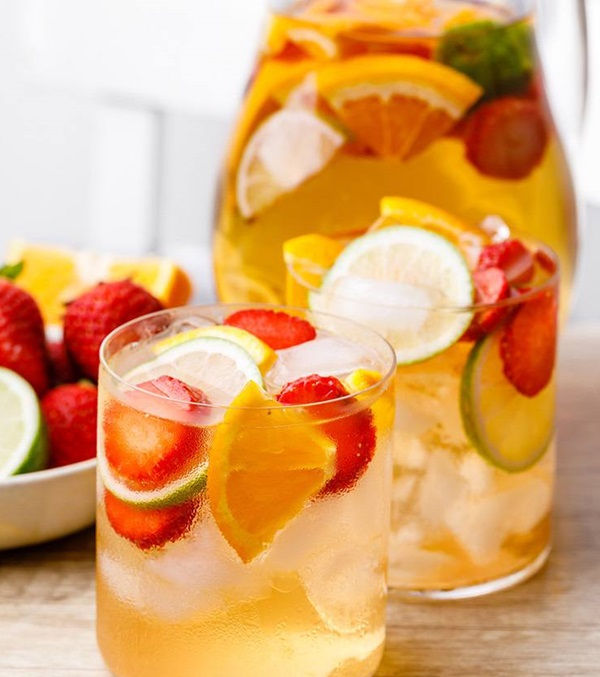
Wash and chop the fruit into bite-sized pieces.
Place the fruit in a half-gallon pitcher or jug.
Add plenty of ice.
Pour in the bottle of sparkling wine.
Add the unsweetened cranberry juice, if using.
Top off with sparkling water and sweeten to taste with stevia.
Stir gently until well combined.
Serve in large glasses over additional ice and enjoy.
Tip: For the best flavor, allow the sangria to chill for 30–60 minutes before serving so the fruit can infuse the wine.
Cheers to summer, good company, and keto-friendly indulgence. May your glass be refreshing, your paella delicious, and your gatherings memorable. 🥂☀️🍓🫐🍋
Bon Appetit!
Chef Janine.


Comments