

Garlic: The Ancient Kitchen Healer That Modern Cooking Still Depends On

There are certain ingredients that quietly hold together the culinary traditions of entire civilizations. Garlic is one of them.

For thousands of years, this humble bulb has traveled through the kitchens of peasants and kings alike, appearing in rustic soups, healing broths, festive roasts, garden salads, sauces, marinades, and nearly every corner of the world’s great culinary traditions. From the Mediterranean coastlines to the villages of Eastern Europe, from the markets of the Middle East to the kitchens of Mexico and Asia, garlic has remained one of humanity’s most beloved ingredients.
And yet, despite how common garlic is, most people still do not fully understand it.
Garlic is not merely a flavoring. It is a living ingredient — one that changes dramatically depending on how it is cut, cooked, rested, roasted, crushed, or preserved. The difference between harsh garlic and beautiful garlic often comes down to understanding how to handle it properly.
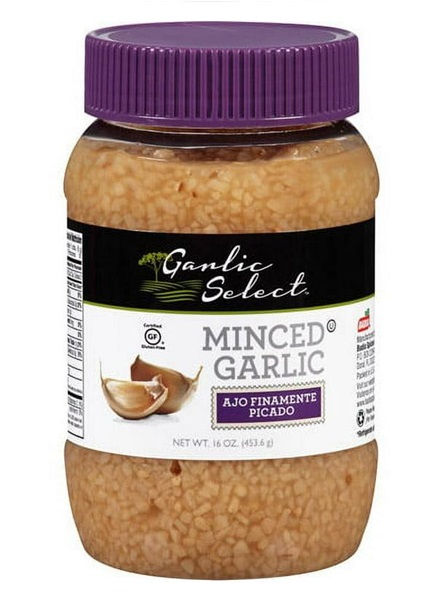
Modern convenience culture has reduced garlic to jars of pre-minced paste sitting on grocery shelves. But true garlic cooking is far more nuanced. Fresh garlic possesses aroma, vitality, oils, and complexity that industrial processing simply cannot reproduce.
The moment garlic is sliced or crushed, a remarkable transformation begins. Natural compounds awaken and release the intense fragrance that defines so many beloved dishes.
In many traditional food cultures, garlic was never viewed solely as seasoning — it was considered restorative food, valued for both nourishment and resilience.
Fresh Garlic vs. Pre-Minced Garlic: What Is the Real Difference?
Many people assume that all garlic is essentially the same, whether it comes freshly peeled from a bulb or scooped from a jar sitting in the refrigerator aisle. In reality, fresh garlic and pre-minced garlic are quite different once you understand what happens inside the garlic after it is cut or crushed.

Fresh garlic is a living ingredient. Inside each intact clove are natural compounds stored separately from one another. The moment the garlic is sliced, crushed, or minced, the cell walls rupture and trigger a natural chemical reaction. An enzyme called alliinase converts compounds inside the garlic into allicin — one of the sulfur compounds most associated with garlic’s powerful aroma, bold flavor, and many of its widely studied beneficial properties.
This transformation happens quickly, but it is also temporary.
Freshly crushed garlic contains the highest levels of these active sulfur compounds for only a limited period of time before oxygen, heat, moisture, acidity, and storage begin breaking them down. This is why freshly minced garlic smells so sharp, vibrant, and alive compared to garlic that has already been processed and stored for long periods.
Pre-minced garlic sold in jars has typically been minced weeks or even months earlier. To keep it shelf-stable and safe, manufacturers often preserve it in liquids and acids while refrigerating or pasteurizing the product. While this process extends shelf life and provides convenience, it also significantly reduces much of the garlic’s original freshness, volatile oils, and active sulfur chemistry.
That does not mean jarred garlic is useless. It still contains flavor compounds, minerals, antioxidants, and some beneficial sulfur compounds. However, it is chemically and nutritionally less vibrant than freshly crushed garlic.
In simple terms, fresh garlic is closer to a freshly picked herb, while pre-minced garlic is more like a preserved convenience product.
Fresh Garlic vs. Pre-Minced Garlic Comparison

Final Verdict Fresh vs. Pre-Minced
Both forms of garlic can serve a purpose in the kitchen, but fresh garlic is clearly the superior option when it comes to flavor, aroma, freshness, and beneficial natural compounds.
Freshly crushed garlic delivers:
Stronger aroma
More complex flavor
Greater sulfur compound activity
Higher allicin potential
Better overall culinary performance
Pre-minced garlic remains useful for convenience and still contributes flavor to dishes, but much of the garlic’s most delicate and active chemistry has already diminished during processing and storage.
The simplest conclusion is this:
If convenience is the priority, pre-minced garlic works. If quality is the priority, fresh garlic wins.
The Beauty of Simplicity
One of the great lessons of cooking with garlic is learning restraint.
A whole garlic clove simmered gently in a soup or braise offers a completely different experience than finely minced garlic sautéed in olive oil. Whole cloves provide sweetness and softness. Minced garlic creates intensity and punch. Roasted garlic becomes mellow, buttery, and almost caramel-like.

Understanding these distinctions is what separates ordinary cooking from thoughtful cooking.
Garlic rewards slower cooking methods.

Many home cooks unintentionally burn garlic by rushing the process or cooking at excessive heat. Burned garlic turns bitter within seconds, overpowering an entire dish. Experienced cooks know that garlic prefers gentleness. Moderate heat, patience, and timing preserve both flavor and aroma.
This is one reason Mediterranean and Middle Eastern cuisines often achieve such remarkable depth from simple ingredients. Garlic is treated with respect rather than aggression. It is softened in olive oil, folded into sauces gradually, or roasted until sweet and spreadable.
Ideal Temperature Range
The ideal temperature for cooking sliced garlic gently in oil or butter is surprisingly low. Garlic burns very quickly because of its natural sugars and sulfur compounds.

Garlic and the Return to Traditional Foods
In today’s world of ultra-processed foods and synthetic flavor systems, garlic reminds us of something important: real flavor comes from real ingredients.
The old culinary traditions understood this instinctively.

Garlic paired with olive oil, lemon, herbs, cultured butter, tomatoes, onions, or slow-cooked meats creates layers of flavor that industrial additives will never be able to imitate authentically. These combinations survived centuries because they work naturally and harmoniously together.
Even modern science continues to study the unique compounds found in garlic and their relationship to wellness and nutrition. Long before laboratories existed, however, traditional cultures already viewed garlic as a strengthening food. Perhaps this explains why garlic remains deeply embedded in comfort foods across the world. It satisfies something primal in the human palate.
Why Fresh Garlic Still Matters
Fresh garlic possesses character.

Its aroma is alive. Its oils are vibrant. Its flavor evolves during cooking. Pre-processed garlic products may offer convenience, but they often sacrifice freshness, complexity, and authenticity.
Good cooking does not require luxury ingredients, but it does benefit from thoughtful ingredients.
Fresh garlic can transform a simple tomato sauce into something memorable. It elevates herb roasted vegetables, enrichs soups, deepens marinades, brightens vinaigrettes, and brings warmth to nearly any savory dish.
Listen to the aroma as it softens in olive oil. Watch its color carefully. Taste and adjust. Learn how different cuts create different results. Cooking with garlic is less about rigid measurements and more about intuition.
The Ingredient That Connects Generations
There is a reason garlic appears so consistently in family recipes passed down through generations.
It represents warmth. It represents hospitality. It represents nourishment.

Perhaps that is why garlic continues to endure in an age obsessed with convenience and speed. It reminds us that good food is still rooted in patience, simplicity, and tradition.
Long before culinary trends came and went, garlic was already there — simmering quietly in the background of humanity’s greatest meals.
And it still deserves its place there today.
Visit www.comfortketo.com to check when dishes featuring garlic return to the menu.
Bon Appétit!
Chef Janine


Comments