

Classic Comfort, French Flair, Keto Twist: The French–Western Fusion Omelette

Updated: Jun 1
Our ketogenic interpretation of the classic Western Omelette is far from the typical diner-style version. This is a gourmet French–Western fusion omelette crafted the Comfort Keto way — lightly crisped on the outside like a traditional American omelet, yet creamy, delicate, and fluffy on the inside like a classic French omelette.
Served as a hearty breakfast or brunch entrée, this indulgent low-carb creation is accompanied by a keto bagel and organic cream cheese on the side for the perfect finishing touch.

Origin of the Omelette
The omelette is unmistakably a staple of the American breakfast table. Found in diners, cafés, and breakfast restaurants across the country, it remains one of the most beloved egg dishes in the world. But where did this delightful creation actually begin?

Many historians trace the origins of the omelette to 14th-century France, where the word alemette (later evolving into omelette) was first used to describe the dish we recognize today.
However, the term did not become widely popular until the publication of the cookbook Cuisine Bourgeoise in the late 1700s. Even today, the small French town of Bessières celebrates the omelette annually with a famous festival dedicated to the dish.
In the town of Bessières, France, the community comes together each year to celebrate the three days leading up to Easter. The festival features Easter egg hunts, parades, live performances, and other festivities. The highlight, however, takes place on Easter Monday, when chefs prepare a massive 15,000-egg omelette to feed thousands of spectators.

The event is a spectacular sight: a giant 13-foot frying pan is placed over an enormous bonfire while volunteers continuously stir the eggs with oversized wooden paddles as the mixture cooks.

The celebration is organized by the Brotherhood of the Giant Omelette, a volunteer organization that has inspired similar omelette festivals around the world. Another notable example takes place in Abbeville, Louisiana, where participants prepare a smaller — yet still impressive — 5,000-egg omelette.
Although France is often considered the most likely birthplace of the modern omelette, similar egg dishes existed long before then. The ancient Romans prepared a dish called ovemele, made with eggs and honey, while the Persians also had their own variations of folded egg dishes. It is entirely possible that civilizations across the ancient world independently discovered the simple pleasure of whisking eggs, cooking them gently, and folding them into a hearty meal.
The true origin of the omelette may never be known with certainty — but its enduring popularity across cultures, continents, and centuries is undeniable.
Difference Between American and European Omelettes
As you see, the exact origin of the omelette isn't easy to determine, but the difference between American and European omelettes is — due to the different cooking techniques.
The American omelet is cooked crispy on both sides. The European omelette has a very soft texture like creamy clouds, and more fluffy (yet not runny).

Sure, there are a lot of variants of omelette such as Spanish, Italian, Japanese, Chinese, Mexican, just to name a few. That's what happens when things travel the world.
The Western or Denver omelet is one of the most popular versions in America. Despite it being one of the go-to breakfast choices in the country, there is a lot of confusion over the history and origin of the dish.
The Old Tale of Western Omelette

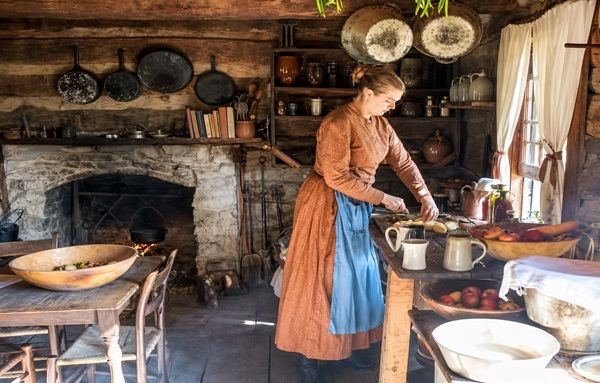
Although the Denver omelet — also known as the Western omelet — has become popular in the frontier kitchens and a staple of American diner menus, the true origins of this hearty combination of eggs, ham, bell peppers, onions, and cheese remain somewhat mysterious.

According to one popular frontier tale, early settlers traveling westward during the mid-1800s added chopped ham, onions, and peppers to eggs that had begun losing their freshness during the long journey across the American frontier. The additional ingredients were supposedly used to help disguise the unpleasant taste of spoiled food. The story became so widely accepted that it was eventually commemorated on an official plaque in downtown Denver.
Unfortunately, the story does not hold up historically. Not only is it virtually impossible to conceal the taste of rotten eggs, but bell peppers were not widely available in North America until the early 20th century, according to USDA historical records.
Another Origin Story of the Western Omelette
Cantonese-style egg foo yung

Most historians agree that the Western omelette likely began as a sandwich. One of the most widely accepted theories credits Chinese immigrant laborers working on the western railroads, who may have adapted their Cantonese-style egg foo yung using locally available ingredients to create an inexpensive, hearty, and portable breakfast sandwich.
Another account claims the dish was first sold on the streets of Denver by an Italian immigrant in 1893. Over time, the bread was eventually removed, and the recipe evolved into the omelette we recognize today.

Yet another theory suggests that a San Francisco cook originally served the egg mixture with sourdough bread. By the time the dish made its way to Denver, however, the bread had disappeared from the presentation altogether.
Some food historians have even proposed that the Western omelette may have roots in Mexican cuisine, resembling rustic folded egg dishes similar to the Italian frittata or Spanish tortilla traditions that spread throughout the Mediterranean and Latin world.

Chef Janine’s French–Western Fusion Keto Omelette
At Comfort Keto, we wanted to create more than just another low-carb breakfast dish. Our goal was to honor the rich culinary history of the omelette while combining the best elements of both American and French traditions into one indulgent ketogenic experience.
Our French–Western fusion omelette is lightly crisped on the outside like a classic American diner omelet, yet soft, delicate, and fluffy on the inside like a traditional French omelette. Prepared with wholesome ingredients and cooked with careful technique, this dish delivers comfort-food satisfaction without the heavy carbohydrates commonly found in traditional breakfast meals.
Served alongside a keto bagel and cream cheese (alternatively Chef Janine serves this delicious dish with a country style keto biscuit), this hearty breakfast or brunch entrée is designed to satisfy while supporting a low-carb lifestyle.
🍳Main Ingredients
🥘 Ingredient | 🎯 Purpose |
🥚 Cage-Free Eggs | Rich source of protein, vitamins, and healthy fats |
🥓 Smoked Ham | Savory flavor and additional protein |
🫑 Bell Peppers | Adds sweetness, texture, and antioxidants |
🧅 Onion | Enhances flavor and aroma |
🥬 Spinach | Adds freshness, minerals, and nutrients |
🧀 Cheddar & Mozzarella Cheese | Creaminess, richness, and satisfying fats |
🧈 Grass-Fed Butter | Traditional cooking fat that enhances flavor |
🌿 Fresh Herbs | Brightens and balances the dish |
🥯 Keto Bagel (or Country-Style Keto Biscuit) | Low-carb alternative to traditional bread |
🥛 Organic Cream Cheese | Creamy accompaniment with healthy fats |
🥑 Keto Benefits
🌟 Nutritional Feature | 💚 Benefit |
💪 High Protein | Helps support satiety and muscle maintenance |
🌿 Low Net Carbs | Supports ketogenic and low-carb lifestyles |
🥑 Healthy Fats | Encourages fullness and sustained energy |
🥬 Nutrient-Dense Ingredients | Provides vitamins, minerals, and antioxidants |
🚫🍬 No Added Sugars | Avoids unnecessary blood sugar spikes |
🌾 Gluten-Conscious Pairing | Keto bagel alternative reduces refined flour intake |
⚡ Balanced Breakfast Option | Designed to provide steady energy without a heavy crash |
Nutrition Facts (Approx.)
🍽️ Serving Component | 🔥 Calories | 🌿 Net Carbs | 💪 Protein | 🥑 Fat |
🍳 Western–French Fusion Omelette | 420–480 | 5–7g | 28–32g | 30–36g |
🥯 Keto Bagel with Organic Cream Cheese | 220–280 | 4–6g | 8–10g | 18–22g |
🍽️ Total Meal Estimate | 640–760 | 9–13g | 36–42g | 48–58g |
ℹ️ Nutrition values are approximate and may vary slightly depending on ingredient sourcing and portion size.
Closing Thoughts from Chef Janine
The story of the omelette is more than just culinary history — it is a reflection of how cultures, traditions, and simple ingredients evolve over generations. From the rustic kitchens of Europe to the frontier cooking traditions of America, the omelette has remained one of the world’s most enduring comfort foods.
At Comfort Keto, we believe classic dishes can still be enjoyed while embracing a healthier lifestyle. Our French–Western fusion keto omelette was created to capture the warmth, nostalgia, and hearty satisfaction of a traditional diner breakfast while remaining mindful of modern nutritional goals.
Whether you enjoy it as a comforting brunch, a hearty breakfast, or a satisfying low-carb indulgence, we hope this dish reminds you that eating for better health never has to mean sacrificing flavor, richness, or culinary tradition.
Thank you for joining us on this delicious journey through the history of the omelette.
Visit www.comfortketo.com to check when this featured dish returns to the menu.
Bon Appétit!
Chef Janine.


Comments