Search "Comfort Keto" Website
Search this site
512 results found with an empty search
- 🤧🌞 How To Deal With Summer Cold!
Colds in the wintertime are often accepted as being inevitable. However, you may catch a cold in summertime as well. Summer cold symptoms aren't different than cold symptoms that can occur any other time of the year, but may make you feel more miserable due to the heat and humidity of the summer months. High outdoor temperatures can also cause you to sweat excessively, increasing the risk of dehydration. A summer cold is the same as a cold at any other time of year. The Treatment For A Summer Cold The treatment for a summer cold is the same as a cold at any other time of year. While there is no cure for the common cold, getting plenty of rest and keeping hydrated can help you feel better sooner. Your summertime cold symptoms may seem even more impactful when they keep you from fun summertime activities. The most common cold symptoms may include: Runny nose Sneezing Cough Fever Body and muscle aches Mouth blisters The summer colds generally clear up without treatment within a week. But see your health care provider if you have concerning symptoms such as high fever (over 103 F). Stay hydrated: It is important to drink extra water when you have a summer cold, especially if you have been in the heat and sweating. Staying hydrated can help thin mucous, making it easier to expel. https://www.myketopal.com/post/stay-hydrated-with-infused-water Get plenty of rest. https://www.myketopal.com/post/learn-how-to-improve-your-sleep-health-and-be-more-productive-in-your-time-awake Flush your sinuses: Flushing your sinuses with saline solution (or salt water) will help clean out debris that causes sniffling and sneezing. Saline solution also moisturizes your nasal passages and helps to thin mucus so it can be expelled easily. https://www.myketopal.com/post/swimming-stimulates-brain-chemicals-neurotransmitters Make/take your own Hydroxychloroquine: https://www.myketopal.com/post/how-to-make-hydroxychloroquine-hcq-at-home Drink Calendula Flower Tea: Helps open up the air ways. https://www.healthline.com/nutrition/calendula-tea Use indoor humidifier: moisturizes your nasal passages and helps to thin mucus so it can be expelled easily. Over-the-counter medications: Antihistamines, decongestants, cough suppressants, and fever reducers can also help to relieve symptoms. Identify the symptoms that are bothering you and treat only the symptoms you have. Air conditioning may contribute to summer colds.
- 🍏 "Oak Glen" Apple Picking Time Is September - October !
If you're looking for a great fall outdoor activity in Southern California, consider apple picking in Oak Glen. This charming agricultural community is nestled in the foothills of the San Bernardino Mountains. The prime apple-picking season runs from late September through October, though availability depends on the variety. Be sure to check with individual orchards to see which apples are ripe during your visit. Many orchards in Oak Glen feature scenic walking paths that feel like a mini nature retreat. A Breath of Fresh Air: Apple Picking for Body and Soul Apple picking in Oak Glen isn’t just a fun fall activity—it’s nourishment for both body and soul. Strolling through scenic mountain trails and peaceful orchards offers gentle exercise in the crisp, clean air, while the simple joy of picking your own fruit connects you to the earth in a meaningful way. Many orchards are nestled along charming walking paths with stunning views of changing leaves, making the experience feel like a mini nature retreat. Afterward, enjoy a hearty, wholesome meal at one of the town’s small farm-to-table restaurants, or sip on a warm, spiced cider made fresh on-site. You can explore local shops featuring handmade goods, stop by a working cider press, or visit a small petting zoo for the kids. Whether you’re savoring sunshine on your face, enjoying quiet moments among the trees, or laughing with loved ones over a shared basket of apples, it’s a full-sensory experience that invites you to slow down and breathe deeply. This is fall wellness at its finest—wholesome, joyful, and delightfully unplugged. Don’t wait until the end of October to visit to make sure you still have apples to pick. HERE ARE THE POPULAR OAK GLEN U-PICK APPLE FARMS: 1. Willowbrook Apple Farm 12099 S. Oak Glen Rd., Oak Glen, CA 92399 willowbrookfarmer@gmail.com Open: Sat & Sun | 10am - 4pm Willowbrook Apple Farm is a small 100-year-old family farm where you can experience u-pick apples and u-press apple cider and savor Stayman-Winesap apples fresh off the tree. Surrounded by fall colors in the San Bernardino mountains, you can enjoy small farm life in a picturesque setting. 2. Los Rios Rancho 39611 S. Oak Glen Rd., Oak Glen, CA 92399 (909) 797-1005 info@losriosrancho.com Open: 7 days a week | 10am to 5pm Los Rios Rancho in Oak Glen is Southern California’s largest apple farm in operation since 1906. Apple season starts Labor Day through Thanksgiving at the Historic Los Rios Rancho. When visiting Los Rios Rancho, enjoy a Farm Kitchen serving tri-tip sandwiches, BBQ, cold beverages, dessert, and more, a Farm Store tent with seasonal goodies, Little Seeling Ranch (petting zoo & miniature farm), and nature trails 7 days a week. U-pick fruit, tractor rides & horse-drawn wagon tours, live musical entertainment, Farm Fair (candle dipping & Frontier Chores hay bale pulley), corn maze, roasted corn, Steak Shack, wagon rides & tractor rides, and hard cider tasting are available during the weekends at Los Rios Rancho farm. 3. Stone Soup Farm & Heritage Orchard 12131 S. Oak Glen Rd., Oak Glen, CA 92399 info@stonesoupfarmca.com Open: Sat & Sun | 10am - 4pm Admission is $5 for 4+ & free for kids 3 and under. Stone Soup Farm in Oak Glen offers apple picking in their 130-year-old heirloom apple orchard in October. There is a 10-minute tour about the history of the apple farm, some information about their apples, apple tasting and general rules while picking. U-pick apples are $3.75/lb. and the farm provides apple bags at the introduction talk before picking apple begins. Apple picking season at Stone Soup Orchard begins the first weekend in October. 4. Stone Pantry Orchard 11993 S. Oak Glen Rd., Oak Glen, CA 92399 (909) 557-3447 Open: Sat & Sun | 10am - 5pm Stone Pantry Orchard in Oak Gen offers U-Pick apples, pears, blackberries, and pumpkins. You also get to press your own cider. 5. Riley’s Farm 12261 S Oak Glen Rd., Oak Glen, CA 92399 (909) 790-TIME or (909) 797-7534 Open: Mon – Fri | 10am - 4pm and Sat | 10am - 6pm Riley's Farm offers apple picking, berry picking, making your own pressed cider, sampling a variety of apples, and all sorts of apple jams available for sale. Apple picking at Riley’s Farm in Oak Glen is available on Saturdays. Their website has the latest update on U-Pick apple variety. Tips for Apple Picking in Oak Glen: The weather is cooler in Oak Glen but it can also be hot on a sunny day. Make sure to also check that there is no fire in the area before driving out. Confirm the operating hours of the apple farms before going. There is no entrance fee to "most" Oak Glen apple farms. Oak Glen apple farms charge per pound for the apples or other fruits you pick. Check for rates. The bigger Oak Glen farms have more activities but are also more crowded. Oak Glen is usually crowded on the weekends. Arrive early for comfortable parking. Oak Glen is less-crowded during weekdays, but some orchards are not open. Parking on the main road is not allowed. Wear closed-toed shoes. Bring your own drinking water. Some Oak Glen farms do not allow dogs. Check before going. First check-in at a U-pick tent & grab a bag before you start roaming around the apple farms. Bring cash for payment. Check before going what apple variety is available for U-pick. Enjoy your weekend adventure...
- 😮💨 Increase Your Lung Capacity With Guided Breathing Method!
Enhancing Pulmonary Function for Optimal Respiratory Health Increasing lung capacity through exercise and breathing techniques is important because it enhances the efficiency of oxygen delivery to the body, improving overall health and physical performance. A larger lung capacity allows for deeper breaths, which helps: increase endurance, support cardiovascular health, and boost energy levels, reduce the risk of respiratory issues, improve the body’s ability to recover after exertion, make daily activities easier, and support stress management and mental clarity, and promote better quality of life. 🫁 Total Lung Capacity (TLC) 🧠 Definition: TLC is the volume of air in the lungs after the deepest possible breath (maximum effort of inspiration). ⚖️ Average Volume: A healthy adult typically has a total lung capacity of about 6 liters (approx. 1.5 gallons). 🧬 Individual Differences: Lung capacity varies depending on: 🧓 Age 🚹🚺 Gender 🧍 Body composition 🌍 Ethnicity ⏳ Aging & Lung Capacity 🧠 With age, respiratory muscles weaken. 🫁 Lungs lose elasticity, reducing: The volume of air they can hold The efficiency of oxygen and carbon dioxide exchange 🚨 Potential Causes of Lung Capacity Reduction 🌫️ Chronic lung diseases (e.g., COPD, emphysema, asthma) ⚖️ Obesity 🛋️ Sedentary lifestyle 🦴 Chest wall deformities 📏 High waist-to-hip ratio ☀️ Vitamin D deficiency 🤰 Pregnancy 🛡️ Keeping Your Lungs Healthy Prevention is key. Here are practical tips for lung health: 🚭 Quit smoking if you currently smoke 🛑 Avoid secondhand smoke and environmental pollutants 🍇 Eat antioxidant-rich foods (e.g., berries, leafy greens) regularly 🏃 Exercise regularly to improve respiratory function 🏠 Use indoor air filters to reduce airborne irritants 🚫 Avoid artificial fragrances in your home 🧹 Remove mold and dust from your living areas routinely 😮💨 Recommended Breathing Exercise: The Wim Hof Guided Method 🫧 The Breathing Bubble is a simple yet powerful audiovisual tool designed to help you maintain a steady rhythm during your breathing sessions. Here's how it works: 🔄 Follow the bubble as it slowly expands and contracts — breathe in as it expands, and exhale as it contracts. 🎧 Listen to Wim Hof guide you with his own breathing, creating a calming sense of synchronicity. 🎵 Immersive soundscape helps block out distractions so you can fully focus on your breath and body. Just press play, relax, and breathe your way to better focus, calm, and clarity. ⚠️ Important Safety Notice Before You Begin Please do not practice the breathing exercises: 🚫 In a swimming pool or before going underwater 🚫 In the shower 🚫 While driving or operating any vehicle Always practice sitting or lying down in a safe, comfortable environment. 🔄 Go gently: Pushing too hard during the breathing exercise may trigger symptoms like tinnitus (ringing in the ears). If you experience this, ease off in future sessions. The key is to build gradually, not forcefully. 📚 Ready to Go Deeper? Explore the full Wim Hof Method with guided video courses: 👉 https://www.wimhofmethod.com/elearning
- ⛔🥦🥕 Introducing The Must-Read Book "The Great Plant-Based Con"
In this video interview, Anthony Chaffee MD talks to researcher and author Jayne Buxton about her most recent book 'The Great Plant-Based Con: Why eating a plants-only diet won't improve your health or save the planet.' This book is a must-read about the real agenda behind "Veganism" and the con surrounding the plant-based foods concept. How I have waited for this book! A much needed, fact-packed, lucidly argued demolition of pervasive, endlessly recycled, anti-animal source food propaganda! — Joanna Blythman Joanna Blythman is a prominent British investigative food journalist and author, renowned for her critical examinations of the modern food industry. She is one of the UK's most influential voices on food ethics, sustainability, and public health. Top podcast episodes In this video, Dr. Anthony Chaffee interviews Jayne Buxton about her book The Great Plant-Based Con, which challenges the health and environmental claims of plant-only diets. Buxton exposes how such diets can harm health, benefit Big Food and Big Pharma, and are promoted by biased media and powerful institutions. The book advocates for ethical, regenerative farming and omnivorous eating. This insightful work looks beyond the simple plant-based messaging and polarizing arguments to discover: How diets that exclude animal foods can DAMAGE YOUR HEALTH How BIG FOOD and BIG PHARMA profit when you eat more plants Why a rich and powerful CHURCH wants to take meat off your plate How SCIENTIFIC STUDIES can DISTORT the evidence in favor of plant-based diets How the MEDIA often act as plant-based advocates rather than reporters Jayne Buxton is a British-Canadian author, journalist, and former management consultant known for her work on health, food systems, and work-life balance. She has written across genres, including nonfiction, fiction, and journalism. Her widely discussed book in recent years is The Great Plant-Based Con: Why Eating a Plants-Only Diet Won’t Improve Your Health or Save the Planet (2022), in which she challenges prevailing narratives about plant-based diets. The book critiques the health and environmental claims associated with plant-only eating and advocates for ethical, regenerative farming and omnivorous diets. The book won the Investigative Food Work Award at the Guild of Food Writers Awards in 2023. The link to Jayne Buxton's website for her book: https://thegreatplantbasedcon.com
- 😮💨 When the Air Turns Toxic: How to Stay Safe During Poor Air Quality Events
The air quality in Los Angeles has significantly worsened due to an unprecedented string of wildfires. High winds have caused the heavily polluted smoke to spread far beyond the immediate fire zones. Wildfires and high winds have sharply worsened Los Angeles' air quality, spreading smoke far beyond fire zones. How Worried Should You Be? Research from the University of California has found that the air is now 10 times more toxic than regular air pollution. The Department of Public Health has declared the air quality in Los Angeles County as unhealthy, warning that smoke from these wildfires contains unusually high levels of pollution that can severely impact health. Given the persistent poor conditions throughout Los Angeles County, everyone—even those far from the flames—should take steps to avoid smoke inhalation, both outdoors and at home. Air Quality Index (AQI) The U.S. Environmental Protection Agency categorizes air quality by the Air Quality Index (AQI) using colors and numbers: Below 100: Generally safe (yellow is acceptable; green is ideal). 101–150 (Orange): Unhealthy for sensitive groups. 151–200 (Red): Unhealthy for everyone. 201–300 (Purple): Very unhealthy. 301 and higher (Maroon): Hazardous. Recommendations from the Department of Public Health General Tips Monitor air quality: Check updates for your area regularly. airnow.gov (they also have an app , or check via the Weather app on your phone). Enter your address or ZIP code, and get current air quality reading and breakdown of the pollutants in your area. Stay indoors: If you're in a danger zone, limit outdoor exposure. Children, in particular, should remain inside as their lungs are still developing. Seal your home: Keep doors and windows closed to prevent indoor pollution. Open them only when air quality improves to allow fresh air in. Maintain air filters: Ensure your air conditioner’s filter is clean and use the recirculate setting to avoid pulling in outdoor smoke. Avoid Activities That Worsen Indoor Air Do not: Smoke. Burn candles or incense. Cook on gas stoves. Fry food. Vacuum. Use aerosol sprays. Engage in intense physical activity. Wear shoes inside the house (to reduce contaminants). Let your pets out. Protective Measures Use an air purifier: If unavailable, create one with a box fan and air filter. Clean surfaces carefully: Use a damp mop or cloth to avoid stirring up irritants. Wear an N95 mask: Cover your face when outdoors in smoky conditions. Limit outdoor time: If you must go out, minimize exposure. By following these tips and staying cautious, we can hope that in particular our neighbors in greater Los Angeles County to breathe easier.
- 🌧️😩 Vegetarians More Likely to Be Depressed Than Meat-Eaters
A new study reveals vegetarians are two times more likely to suffer from depression than those who eat meat. While nutrition plays a role in depressive symptoms, researchers say social factors and upset over the treatment of animals (LOL) contribute to symptoms of depression. Vegetarians are two times more likely to suffer from depression than those who eat meat. People who eat meat report lower levels of depression and anxiety than vegans and vegetarians do, a recent analysis suggests. Read more here . According to a new study , vegetarians have around twice as many depressive episodes as meat-eaters. The study, based on survey data from Brazil, chimes with another earlier research that found higher rates of depression among those who forgo meat. What might explain the link between vegetarianism and depression? First, being depressed causes people to become more likely vegetarian rather than the other way around. The symptoms of depression can include rumination on negative thoughts, as well as feelings of guilt. Assuming that depressed and non-depressed people are equally likely to encounter the upsetting truth of slaughterhouses and factory farming, it is possible that depressed people are more likely to feel guilty for their part in creating the demand. Second, it is possible that adhering to a vegetarian diet causes depression for reasons other than nutrition. Even if there is no “happy nutrient” lacking in a vegetarian diet, it could be the case that forgoing meat causes depression through other means. For example, adopting a vegetarian diet might affect one’s social activities, and sometimes may be associated with social ostracism . Finally, a third factor could be for example, women are more likely than men to be vegetarian , and to experience depression . This is an interesting view regarding the relationship between depression and nutrition. We will look deeper into this topic in the near future and will share more about our findings. Meanwhile we encourage you to enjoy animal products.
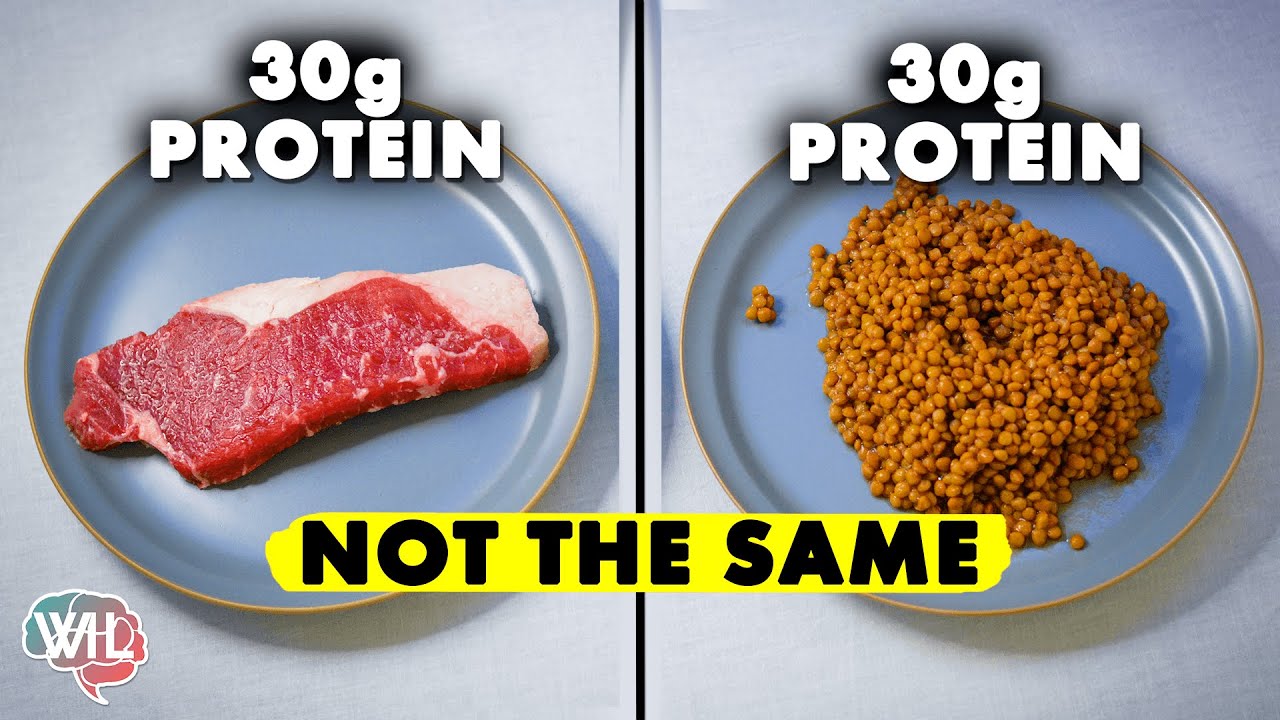
- 🍗🥩🥚🧀🐟💪❗⚖️ All Proteins Are Not Created The Same!
The human body requires protein for all kinds of body functions which are key to stay healthy - anything from building muscles and bones, repairing cells, to making hormones. A person who requires a minimum of 50 grams of protein a day for healthy body function, would not actually meet their protein needs from any type of protein, because same amount of protein from one food builds less muscle than from another food. Recent research says the old 50g of protein a day recommendation is way too low and that a 135 pound (62 kilogram) person needs at least 75 to 100 grams of "high quality" (bio available) protein per day. Scary fact is that 40% of Americans aren’t even hitting their minimum protein requirements [USDA Scientific Report of the 2015 Dietary Guidelines Advisory Committee]. The Body Absorbs And Utilizes Certain Proteins Better Than Others! Some proteins are more bio available for human body than others. This property is rated by the quality of a protein [ FAO (2013) Dietary Protein Quality Evaluation in Human Nutrition.]. Animal proteins like cow's milk, boiled eggs, beef and chicken breast are all considered highest quality proteins because they are very digestible and have all the essential amino acids in high amounts. Plant proteins in powder form, such as from soy or pea, are good, yet are rated low quality proteins. Many other plant proteins such as from rice, lentils, rye, peanuts, almonds, and wheat are rated poor quality proteins. Quality Of A Protein Comes Down To The Amount Of Absorb-able Essential Amino Acids In A Food. We don’t just need protein, we need all the 9 essential amino acids - they each have important functions - that only a protein source can provide. That's because amino acids are the building blocks for proteins. Just to name two, Leucine is a very important amino acid for muscle growth, and tryptophan is a precursor for making the hormones melatonin and serotonin. The film "The Game Changers" backed by big names like Arnold Schwarzenegger and James Cameron makes it sound like you can get the protein and the essential amino acids you need from only plant-based foods without much effort at all. This is a totally bogus and politically motivated claim, which is designed to promote the "vegan" lifestyle as per the UN 2030 Agenda. Here’s a simple example: If you’re trying to gain muscle through exercise, nutrition, precisely essential amino acids are key to that. Soy and Pea protein powders do have some amount of amino acids. But you still need 40 grams of soy protein, or 38 grams of pea protein to match the Leucine content and Essential Amino Acid content of 25 grams of Whey protein. You can find the full script of this video at the following link. https://www.patreon.com/file?h=59889994&i=9586927
- 🛢️🥗 “Canola” Oil Is The Acronym For Rapeseed Oil
Cooking oil is among key culinary staples which is found in practically every recipe that involves baking, frying, or sautéing. Canola oil is often associated with deep fried foods and baked goods. Yet people don’t even know its real name. That’s because “canola” is actually an acronym. Canola oil is an industrially produced vegetable oil made from rapeseed, which belongs to the mustard seed family. Rapeseed's unfortunate name comes from the Latin word “ rapum ” which means turnip . Rapeseed oil was a common cooking oil in Europe and Asia centuries. However, scientists discovered that cooking unrefined rapeseed oil at high temperatures caused lung cancer because of the chemicals it gives off. Rape is one of the most cultivated oil plants which is a renewable raw material for production of liquid biofuels. Rapeseed belongs to the mustard seed family! Changing The Name From Rapeseed Oil into Canola Canola Oil is actually the rapeseed oil! Rapeseed oil contains a pretty high percentage of erucic acid , which is directly linked to heart lesions in lab animals. In 1970s Canadian companies succeeded in reducing the erucic acid (2 percent) and replacing it with a type of monounsaturated acid. They named the new variation of rapeseed oil "canola" which stands for Canada (“can”) oil (“o”) low (“l”) acid (“a”). By conveniently renaming the rapeseed oil "canola," the new product was distanced from its association with rape. Think about that the next time you go grocery shopping. Both Omega-3’s And Omega-6’s Play An Important Role In Health. The consumption of omega-6 from vegetable oils in the typical American diet have dramatically increased over the past 50 years. The elevated ratios of omega-6 to omega-3 fatty acids are associated with inflammation that is associated with various chronic diseases. The US average omega-6 to omega-3 ratio is 30:1. A omega-6 to omega-3 ratio of 3:1 may prevent inflammation. A omega-6 to omega-3 ration of 1:1 may reduce inflammation. It is definitely difficult to achieve omega-6 to omega-3 ration of 1:1 with modern diets. Over the decades the typical American diet has been overrun by omega-6 fatty acids – and while these are polyunsaturated fats and as a large category of fats considered a good option – the issue is the imbalance of omega 6’s to omega 3’s. Overall, our suggestion is to eat a balance of all the different types of natural fat sources – omega-3 polyunsaturated, omega-6 polyunsaturated, saturated and monounsaturated fats. It’s not necessary or realistic to eliminate all omega-6 polyunsaturated fats from our diets. We can focus on correcting the imbalance by either reducing our omega-6 consumption OR increasing the omega-3 consumption – or a bit of both! So how do you start moving away from so much omega-6 consumption and lowering the ratio back to a healthier level? Here are some suggestions: Few great places to start! Switching your cooking oil from a vegetable oil blend to avocado or olive oil will reduce your omega-6 consumption and eating 14 walnut halves a few times a week will boost your omega-3 intake. Consume at least 1000 mg of omega-3 fatty acids daily. Eat 6-8 oz of seafood weekly. Keep in mind that when it comes to salmon the canning process does not destroy the omega-3s while canned tuna does have less omega-3 content compared to fresh. Why the difference? For salmon – raw salmon is put into the can and then cooked but for tuna – it is cooked before canning. When it comes to cooking, omega-3 fatty acids do break down at high heats including grilling and smoking. When cooking fish, try the poaching method (which is done around 212°F) for the best nutrient integrity. Fish isn’t your thing? No problem! Add chia and/or flaxseeds to your yogurt, power bowls, smoothies & salads. While whole flax and chia seeds pack a nutritional punch, some may pass through your digestive tract undigested; therefore, making it difficult to get the full nutritional benefit. For optimal absorption, eat them ground. Another easy way to boost your omega-3 consumption is snacking on walnuts. Try to avoid roasting or using high heats on walnuts which will destroy the omega-3s. Make saturated and/or monounsaturated fats the foundation of your diet and leading sources of calories. Ideal monounsaturated fat choices include olives, almonds, avocados, & macadamia nuts. Saturated fat options would be butter and coconut oil. Coconut oil has certainly grown in popularity the past several years – touting a variety of health benefits due to its large amount of medium chain triglycerides (MCTs) but as with all things- moderation is important. Aim for 2 tablespoons or less per day. Wait, isn’t saturated fat bad? The PURE study is a large epidemiological study that looked at the relationship between macronutrients and cardiovascular disease and enrolled over 100,000 adults. This study found that a high carbohydrate intake was associated with higher risk of total mortality. Both the total fat intake and type of fat (including saturated) were not associated with cardiovascular disease, myocardial infarction, or cardiovascular disease mortality. In fact, saturated fat had an inverse association with stroke. At the end of the day, it’s about balance! Should you eat only saturated fat? No of course not – it’s important to eat a balance of omega-3 polyunsaturated fats, monounsaturated fats and saturated fats to lower your omega-6 to omega-3 ratio for optimal health. Make smart choices with your cooking oils. Choose monounsaturated and saturated fat options for cooking as their smoke points are generally higher and less susceptible to oxidation. For high heat cooking (450°F +), avoid vegetable oil blends which are often a mix of high omega-6 fats and choose avocado oil or clarified butter (ghee) instead. For medium high heat cooking (400°F) such as baking and sautéing, choose olive oil. Medium heat cooking (350°F) such as light sautéing does best with extra virgin olive oil, butter or coconut oil. Avocado oil – like avocado- is rich in monounsaturated fats with about 70% of the fat source being monounsaturated, 13% polyunsaturated and 12% saturated (very similar to olive oil). While it does not contain the fiber and as many of the micronutrients as eating a raw avocado, it certainly can be a great option for high heat cooking. Flaxseed oil has the highest amount of the omega-3 ALA by weight and is a great way to get more omega-3 in your diet. Unfortunately, flaxseed oil has a very low smoke point at ~225°F and should not be used for most cooking. Don’t fret though- it’s a superb option for dressings and cold dips. Limit the use of omega-6 dominant seed oils such as safflower, soybean, canola, corn and vegetable oil blends. Another way to reduce your omega-6 consumption is (when possible) to focus on more grass-fed animals including beef and chicken. Meat from grass-fed animals has 2-4 times more omega-3 fatty acids than meat from grain fed animals.
- The Coming War On Junk Food
In the Op-ed published in The Wall Street Journal, Sen. Marco Rubio (R-FL) is saying that he will soon introduce a measure to remove benefits for junk food (and most likely also fast food) from the federal Supplemental Nutritional Assistance Program (SNAP = food stamps). His proposed bill would exclude soda and prepared desserts from SNAP. The Supplemental Nutrition Assistance Program is a lifeline for tens of millions of low-income Americans who rely on it for food. But like most government programs, SNAP is in dire need of reform. Though SNAP is meant to supplement nutrition, more than 20% of all program spending goes to unhealthy food and drink. Taxpayers will spend over the next decade well over $240 billion on junk food, with more than $60 billion going exclusively to soda, despite the health consequences for those relying on the program. More than 40 percent of U.S. adults are obese, and roughly half have diabetes or prediabetes. Rubio wrote, “That SNAP plays a role in their spread is immoral, irresponsible and reprehensible.” Of course in our opinion, these numbers are misleading, as carb loaded cereals, refined carb products such as pasta and bread, canned foods lacking nutrition, margarine and seed oils —and the list goes on and on— are considered "healthy foods." At this point, this is merely an op-ed piece. Whether anything will come of it in short term is a moot point. It is surely a sign that the sentiments regarding junk food and fast food are shifting dramatically in both political parties. By now it is clear beyond a doubt in broad swaths of society that widespread malnutrition among the American population, including obesity and with mental illness are directly and provably connected to huge consumption of junk and fast food. In the coming years we will see an ever stronger bipartisan campaign to create obstacles to purchasing such foods, such as increased taxes on junk food products and a ban on advertising on TV, among countless other measures — similar to the anti-cigarettes campaign. Since we now know that junk food is harmful, and that it is all natural to expect increased efforts to penalize and limit the purchase of junk food. Sen. Marco Rubio’s call is only the start, yet his proposal about food stamps will very likely be enacted in some form — if not this year, then in the following years. We are likely to see further measures in the near future. Eventually, it will benefit not only the produce growers but the health of Americans overall.
- 🍷 Exploring the Medieval Tavern: A Journey Back in Time
In the heart of history, taverns were not only the gathering places for food and drink; they were the very first restaurants, offering not just sustenance but a chance to rest, lodge, and socialize. Long before the polished dining establishments we know today, medieval taverns served as essential hubs for people from all walks of life across the western world. These chaotic, gritty spaces brought communities together—offering warmth, conversation, and a bit of respite from the harsh realities of daily life. Chef Janine brings this exploration to you not only to reflect on how far we've come as a society in terms of food, hygiene, and daily comforts but also to highlight the wild, messy history that shaped where we are today. It’s important to understand the struggles of the past, especially the grit and chaos that people of the medieval era endured. By appreciating how far we’ve come—how much safer, cleaner, and more comfortable our lives are today—we can find gratitude for our modern conveniences, and cherish the luxuries we often take for granted. Now, let's dive into the raw and immersive world of medieval taverns. Medieval Taverns: Gritty, Chaotic Hubs of Social Life Forget the romanticized inns of fantasy tales—real medieval taverns were loud, filthy, and unruly. But they were also the lifeblood of local communities, where all walks of life converged. More than mere drinking and eating dens, these spaces were raw, immersive hubs where people came to escape daily hardships and mingle with others in a shared, chaotic atmosphere. Watch the video on YouTube Sensory Overload ✨ A flood of scents: Sweat, beer, rot, and vomit. 🔥 Lighting: Smoky tallow candles or rushlights, casting flickering shadows. 🪑 Furniture: Basic, rough benches and makeshift tables, with sticky rush-strewn floors. Crude and Crowded 💥 Noisy: Shouts, drunken singing, and frequent brawls. 🔥 Layout: One main room, a hearth, and sometimes a sleeping loft. Chaos was expected. Simple Aesthetics 🔴 Signs: Names like “The Red Lion” or “Black Bear” identified taverns. 🍞 Food & Drink Display: Supplies often hung in plain sight. 📜 Windows: Rare and covered in animal hides or oiled parchment. A Pillar of Daily Life ❄️ Warmth: Taverns offered one of the few heated spaces, especially in colder months. 👥 Social Hub: More than drinking, they were places to socialize and escape solitude. ⚖️ Cross-Class Spaces: Taverns bridged class divides, welcoming all. Watch the video on YouTube Crossroads of Society 👷 Laborers: Often spent more on ale than necessities. 💼 Merchants: Made deals over drinks. ⛪ Clergy: Ignored church rules, owning or brewing ale. ⚔️ Knights & Nobles: Joined for sport or slumming thrills. Even monks and priests were regulars. Women’s Role 🍺 Alewives: Tavern owners or brewers, often widows. 👩🍳 Brewsters: Some women competed fiercely, even sabotaging rivals. Watch the video on YouTube Transient Visitors 🚶♂️ Pilgrims & Travelers: Depended on taverns for food and shelter. 🕵️♂️ Espionage: Informants were often planted by authorities, eavesdropping on tavern conversations. Extra Services 🩺 Barber-Surgeons: Performed small procedures, using ale for anesthesia. 📚 Class Blurring: Taverns were places where social lines could fade, particularly for educated tradesmen and clerks. Watch the video on YouTube Unrefined Food Culture 🍲 Pottage: A stew of grains, herbs, and mystery meat. Laws were passed to prevent the use of pet meat. 🥧 Meat Pies: Often inedible crusts filled with questionable fillings. 🍞 Bread: Dense, stale, and reused as trenchers. 🧀 Cheese & Eggs: Safer, but cheese could be hard as wood. 🍏 Cooked Fruits & Veggies: Raw produce was feared. Watch the video on YouTube Drinks 🍺 Ale: Cloudy, flat, and low-alcohol, brewed on-site. 🍷 Wine, Cider, & Mead: Regional alternatives. 💧 Water: Generally avoided due to contamination. 🌀 Drink Dilution: Common despite severe penalties, often masked with clever tricks. Entertainment: The True Draw 🎲 Gambling: Dice games, board games, and rigged contests. 💪 Physical Contests: Strength trials and drinking matches. 🎶 Music & Storytelling: Minstrels and storytellers provided cultural diversion. 💃 Dancing: Raucous and sensual, though condemned by the church, it was wildly popular. Watch the video on YouTube Conflict & Control ⚔️ Violence: Fights broke out regularly. 🔒 Rules: Taverns had strict regulations: 🪓 Weapon Bans: Blades were often forbidden inside. ⏰ Curfews: Enforced by church bells, but often ignored. 🍺 Drink Limits & Price Controls: Monitored by “ale connors.” 📜 Licensing: Legal taverns displayed ale stakes; many operated without them. Watch the video on YouTube Security & Enforcement 🚨 Bouncers: Guards were often blunt and thuggish. ⛓️ Punishments: Range from fines to public humiliation. Despite the grime, noise, and violence, medieval taverns were crucial social spaces. They were far from comfortable, but they offered warmth, community, and a sense of escape in the rawest, most immersive sense—reflecting the wild, layered rhythms of medieval life. What it was like to visit a Medieval TAVERN
- 🧬 Decoding mRNA in Meat: Essential Insights
We think that this information is good to know. This podcast shares with us the essential insights we all should know about mRNA in vaccines for animals and labeling requirements for these animal vaccines (they are no way vaccines; they are literally gene therapy). For the written article covering the topics addressed in this video, go here: https://melissaknorris.com/391 mRNA Vaccines in Livestock: Safety (?), Ethics, and Labeling Modern livestock production involves routine hands-on care to keep animals healthy. Conventional vaccines are already used by farmers to prevent disease. No vaccines currently licensed in the U.S. for administration to cattle were produced using mRNA technology. Public concern has spurred political action: industry reports point out that nearly two dozen bills in about ten states have been introduced to ban or label mRNA-vaccinated products. This anxiety is reflected in consumer marketing too: some firms now advertise “mRNA-free” meat. What the Industry Claims vs. What Critics Argue: The mRNA Vaccine Debate Mainstream sources often downplay any concern surrounding mRNA vaccine use in livestock, repeating a narrative that mRNA is inherently harmless, short-lived, and incapable of altering DNA. For instance, media-backed “fact checkers” like Reuters and PolitiFact claim that mRNA molecules "do not enter a cell’s nucleus" and thus carry "zero risk" of gene alteration. They suggest the technology is benign, insisting the synthetic mRNA degrades rapidly after injection and poses no threat to the food supply because it is supposedly broken down in the animal and again in the human digestive tract. But these blanket assurances ignore growing concern among independent scientists, doctors, and food safety advocates. mRNA Animal Injections Are Not Vaccines — They Are Gene-Based Contamination of Our Food Supply The introduction of mRNA injections in livestock is not vaccination. It is a form of unregulated genetic engineering that has no place in the food chain. These injections are wrongly labeled as “vaccines,” but they are gene therapies by design. Their purpose is to reprogram animal cells to manufacture synthetic proteins — a complete departure from anything resembling natural health. To be clear: there is no such thing as a "harmless virus particle" used to train the immune system, as falsely claimed by conventional vaccine science. Viruses, as mainstream medicine defines them, have never been isolated in their full, infectious form in pure samples — only fragments and genetic code simulations. The word "virus" means "poison" in Latin. Viruses are most accurately defined as dead cellular debris. The idea that injecting these fragments or mimicking them with synthetic mRNA brings health is not science — it's literal poisining and purely biotech marketing. What mRNA Injections Really Do mRNA injections bypass the body’s natural terrain and force cells to produce foreign proteins. This is not immune support. It’s cellular manipulation. These instructions are coated in lipid nanoparticles and contain modified nucleotides (such as pseudouridine) that make them resistant to natural breakdown. Contrary to the claims pushed by media outlets like Reuters, PolitiFact, and pharma-aligned researchers, mRNA doesn’t just vanish. It can persist in tissues, distribute widely, and in some lab studies, even undergo reverse transcription into DNA — yes, integration into the genome is possible and likelyautoimmunity, despite their public denial. Why Consumers Should Be Concerned There is no requirement to label meat, eggs, or dairy from mRNA-treated animals. There is no consent — shoppers have no way of knowing what they’re eating. There is no independent safety data proving that daily exposure to these altered proteins is safe for human digestion or health over time. And there is no nutritional or medical justification for using gene therapy in animals destined for the food supply. These gene-modified proteins and possible residues of synthetic mRNA raise legitimate concerns about allergies, autoimmunity, and long-term terrain disruption in humans. The Food System Is Being Engineered Without Our Knowledge This is not about “fighting disease” in animals. It's about expanding biotech's control over food production, from seed to plate. The mRNA agenda is part of a broader move to override nature and bypass informed human choice. We are being conditioned to accept gene-altered meat, untested and unlabeled, while the truth is hidden behind layers of euphemism and PR. It must stop. What We Demand Immediate full labeling of any animal product derived from mRNA-treated livestock. Independent safety trials, not corporate studies, to determine the long-term risks to animals and humans. A total moratorium on the use of mRNA in food animals until genuine public transparency is enforced. Until then, this is genetic trespassing, not science. The body is not deficient in synthetic code. Our terrain is not improved through molecular manipulation. This is not progress. It is contamination. As of May 2025, the U.S. Food and Drug Administration (FDA) does not have specific regulations concerning the presence of mRNA in meat products. The FDA oversees food safety and labeling for most food products, but the regulation of animal vaccines, including mRNA vaccines, falls under the jurisdiction of the U.S. Department of Agriculture (USDA). Current Status of mRNA Vaccines in Livestock: Cattle: There are currently no mRNA vaccines approved for use in beef cattle in the United States. Swine: An RNA vaccine platform, SEQUIVITY, developed by Merck Animal Health, has been licensed for use in swine. This platform allows for the development of customized prescription vaccines against specific strains of viruses affecting pigs. Safety and Residue Concerns: Concerns have been raised about the potential presence of mRNA vaccine residues in meat products. However, experts and regulatory agencies have indicated that mRNA from vaccines degrades rapidly within the animal's body and is unlikely to be present in meat at the time of consumption. Additionally, there are established withdrawal periods for vaccines to ensure that any residues are not present in meat entering the food supply. Labeling and Consumer Information: Currently, there is no federal requirement to label meat products indicating whether animals were vaccinated with mRNA vaccines. However, some states have proposed legislation to require such labeling or to allow "mRNA-free" labels for meat from animals not vaccinated with mRNA vaccines. National Hog Farmer+1Deseret News+1 Conclusion: While mRNA vaccine technology is being explored and, in some cases, utilized in livestock, there is no specific FDA regulation addressing mRNA presence in meat products. The USDA oversees the approval and regulation of animal vaccines, and any concerns about vaccine residues in meat are addressed through established safety protocols and withdrawal periods.
- 🌎 How Food Builds Community, Identity, and Meaning
Food as Culture, Community, and Necessity Throughout human history, wherever civilizations have flourished, so too have distinct culinary traditions. Food is far more than just a source of nutrients—it’s a cornerstone of cultural identity, social cohesion, and human expression. Whether you're a self-proclaimed foodie exploring the latest tasting menu or someone who views food simply as fuel, we all share one unshakable truth: we eat to survive. Yet, how we eat—and what that food represents—reveals a great deal about our individual lives and the societies we live in. Meals structure our day. They nourish us physically, and they often nourish us emotionally, too. Sitting around a table with family or friends fosters community, a sense of belonging, and a continuity of tradition. But in recent decades, the food landscape has shifted dramatically, transforming not just what we eat, but how and why we eat. Industrialization: More Food, More Problems? The past two centuries ushered in sweeping changes in food production. Mechanized agriculture, chemical fertilizers, synthetic pesticides, and genetically engineered crops dramatically increased yields. Food became cheaper, available year-round, and disconnected from seasonal cycles. This abundance should have solved hunger. And yet, paradoxically, food insecurity is on the rise. Why are food banks overwhelmed in wealthier nations? Why do millions go hungry despite an overabundance of food? From an economic perspective, several structural forces are at play: Globalized supply chains prioritize low-cost production over local resilience. Food processing and logistics have become increasingly centralized. Volatile commodity markets and climate events create unpredictable disruptions. Economic inequality continues to grow, creating a divide between those who can afford healthy, whole foods and those who cannot. Food is still one of the most essential components for a functioning society. It powers labor, drives economic activity, and provides livelihoods to millions worldwide. Yet the systems that produce and distribute it are deeply flawed. The Erosion of Food Culture One of the less discussed consequences of this industrial abundance is the diminishing social value of food. With food constantly available and often disconnected from its origins, society has largely lost the cultural memory of seasonal eating, home cooking, and food cultivation. The tradition of growing and preparing one’s own food has faded significantly in modern society, replaced by industrial agriculture, convenience foods, and takeout culture. As fewer people rely on home gardens or learn to cook from scratch, valuable knowledge about seasonal ingredients, food preservation, and ancestral culinary practices is being lost. At the same time, changes in family structure—such as more dual-income households and a rise in single-parent families—have disrupted the passing down of food traditions, weakening intergenerational bonds and the cultural rituals once centered around the family meal. Fast food culture and ultra-processed meals now dominate the modern diet, prioritizing convenience over health and tradition. Ironically, fast food is no longer truly fast—long drive-thru lines and delivery wait times. What was once considered an affordable option has also become increasingly costly without offering real nutritional value. Despite its original promise of ease and accessibility, the fast food model now plays a major role in the rise of chronic health issues. Many have lost the ability—or even the desire—to cook the simplest dishes, a shift largely influenced by changing family structures and modern lifestyles. With fewer shared family meals and less time spent in the kitchen across generations, basic cooking skills are no longer being taught or passed down. As a result, many adults today are unequipped to prepare simplest meals for themselves, relying instead on processed or pre-packaged foods that fail to meet essential dietary needs. Changes in family structure have transformed mealtimes from shared cultural rituals into solitary, hurried tasks. Without consistent family meals, opportunities for connection, conversation, and the passing down of food traditions have diminished. Meals are now often eaten on the go, in front of screens, or alone, reducing them to functional refueling rather than meaningful moments of togetherness. Convenience has become the defining force in modern eating habits. In just 60 years, the average time spent preparing dinner has dropped from 90 minutes to barely 30, reflecting a dramatic cultural shift. This change coincides with the transformation of the traditional family unit—women in the workforce, and immense rise in single-parent households. But more than just shorten cooking times have changed—the fundamental role of food in our lives has changed. Mealtimes, once cherished as rituals of communion, storytelling, and family and friends bonding, have largely lost their cultural and spiritual significance. Food is no longer a meaningful daily event, but a solitary or distracted task, wedged between obligations and digital diversions. Television, once blamed for displacing family connection, now competes with smartphones, social media, video games, and streaming platforms for our attention. This shift is not merely a byproduct of modern life—it reflects deliberate social engineering, where consumer habits, time use, and even eating behaviors have been reshaped to serve corporate and economic interests. The erosion of traditional food rituals and the normalization of ultra-processed convenience foods benefit industries, not individuals or families. In this restructured landscape, food has been stripped of its communal essence and replaced with hyper-palatable, time-saving products designed to keep us consuming—quickly, repeatedly, and mostly alone. Convenience vs. Nutrition: A Divided Food Landscape The modern food environment is marked by stark inequalities: For the affluent, there’s unprecedented access to global cuisines, organic produce, and specialty health products. In contrast, low-income communities often face a foodscape dominated by overpriced, ultra-processed convenience foods that offer little to no nutritional value. And for the time-poor working middle class, nutritious food is becoming excessively costly—not just in terms of ingredients, but through added delivery fees, service charges, and the premium placed on convenience. The widespread availability of food doesn't equate to equitable access to healthy food. This has led to a global paradox of malnutrition: obesity and diet-related diseases on one end, and undernourishment and food insecurity on the other. Conclusion: Rethinking Our Relationship with Food These realities show that the role of food in society is far broader than just nutrition. Food is embedded in our economic structures, cultural practices, social norms, and daily routines. Any meaningful attempt to change dietary habits—whether at the individual level or across populations—must take into account: The economic forces that shape access to healthy food. The social norms and routines that influence what and how we eat. The pervasive convenience culture that has normalized highly processed, low-nutrient diets. What can we do? Change may seem difficult, and progress slow, but it’s not impossible. As consumers, staying vigilant and informed is crucial. With our purchasing power, we have the ability to hold food manufacturers accountable and send clear signals about what we consider acceptable. Not every innovation in food processing is designed with the public’s best interest in mind. While some are marketed as solutions to food insecurity, waste, or environmental impact, many primarily serve to boost corporate profits—often at the cost of health and transparency. By making thoughtful choices, we can encourage a more responsible and honest food system. Ask ChatGPT Let's bring food back to the center—not just of our plates, but of our priorities.