Search "Comfort Keto" Website
Search this site
512 results found with an empty search
- Summer Is The Best Time To Make A Positive Change To Your Health And Wellbeing
If you want to make a positive change to your health and wellbeing, summer is the best time to start. Here is why! According to studies, it's easier to get fit in the summer as you spend more time outdoors due to the warmer weather and increased daylight hours. According to studies (University of Massachusetts and the University of Georgia), your average caloric intake decreases about 200 calories per day in the summer months compared to fall and winter. Higher temperatures slows down your digestion as you feel fuller for longer. Here are a few suggestions which will help you accelerate the best possible result in your quest to make a positive change to your health and wellbeing during summer. STEP 1 Nutrition is at least half the battle.Follow a low- or no-carb diet. Aim for macros around 75% fat, 20% protein, and 5% carbohydrates, keeping carbs well below 20 grams per day. COMFORT KETO meals crafted by Chef Janine make this effortless. Check the current weekly menu: https://www.myketopal.com/menus STEP 2 Make 15 minutes of ab exercises your daily go-to routine. Abs recover faster than other muscle groups, making daily training both safe and effective. STEP 3 Stay hydrated. Drink plenty of water — proper hydration supports muscle function and recovery. STEP 4 Don’t drink your calories. Avoid sugary beverages, fizzy drinks, and alcohol. STEP 5 Your muscles need rest to recover. Aim for at least 7.5 hours of sleep each night, and take a midday power nap if possible. STEP 6 Add 30 minutes of cardio, four to five days a week. Cycling and swimming are excellent low-impact, joint-friendly options. STEP 7 Alongside daily ab work, include strength training five times a week, with each session focused on a different muscle group. STEP 8 Stay motivated, track your progress, and hold yourself accountable. If you slip, get back on track the next day. Take the challenge with a friend for added motivation.
- Fed A Lie: The Hidden History of Seed Oils and the Rise of Modern Disease
Why a new documentary (Nov. 2024) featuring Paul Saladino MD, Nina Teicholz PhD, Chris Knobbe MD, and Bethany Hamilton is shaking the foundations of modern nutrition. For over a century, Americans have been told a story—a carefully crafted narrative about “heart-healthy vegetable oils,” low-fat diets, and the supposed dangers of natural animal fats. This narrative shaped ... government guidelines, food industry marketing, and ultimately the health of millions. But what if that story was never true? What if we’ve been fed a lie? This is the premise behind Fed A Lie, a new documentary presented by Heart & Soil Films and produced by Cumberland Creative. Featuring the sharp insights of leading researchers and physicians—Paul Saladino MD, Nina Teicholz PhD, Chris Knobbe MD, and world-renowned athlete Bethany Hamilton—the film uncovers the unsettling truth about seed oils, also misleadingly labeled as “vegetable oils,” and their devastating impact on modern health. The Truth About Seed Oils: A Manufactured Food with Real Consequences Seed oils—canola, soybean, corn, safflower, cottonseed, sunflower—are not ancient foods. They are modern, industrially-produced products extracted through chemical solvents, high heat, pressure, and deodorization. For decades, they were marketed as the solution to heart disease and the key to better health. Instead, they quietly became the dominant fat in the American diet—and chronic disease skyrocketed. In Fed A Lie, Dr. Paul Saladino exposes how these unstable, highly-oxidized oils overwhelm our cells with inflammatory byproducts that accelerate metabolic damage. Dr. Chris Knobbe presents compelling epidemiological data showing that as seed-oil consumption increased around the world, obesity, type 2 diabetes, fatty liver disease, macular degeneration, and autoimmune conditions followed the same trajectory. And Nina Teicholz—whose groundbreaking 2014 book The Big Fat Surprise disrupted the nutritional status quo—brings the historical clarity needed to understand how this all happened: government missteps, weak science, industry influence, and the silencing of dissenting voices. Taken together, their message is unmistakable: Seed oils are one of the most destructive dietary introductions of the last 150 years. Bethany Hamilton🏄🏼: A Story of Resilience Meets a Story of Health The inclusion of professional surfer Bethany Hamilton brings a human dimension to the film. Her commitment to nourishing her body—especially as an elite athlete and mother—demonstrates how ancestral nutrition principles can support strength, recovery, and longevity. Bethany’s presence reframes the issue: avoiding seed oils isn’t a fringe movement; it’s a path chosen by individuals who depend on peak health, physical resilience, and long-term well-being. Behind the Lens: The Team Exposing the Lie The documentary is crafted with the care and seriousness the subject deserves. Directed by Tom Dyer and supported by an experienced crew—including Director of Photography Chris Haggerty and Editor Erik Sharpnack—the film blends investigative storytelling with striking visuals and expert commentary. A dedicated research team, including Dillon Randolph MS PA-C and Wyatt Breese, ensures that every claim is grounded in published data, historical records, and biochemical evidence. Graphic designers Amy Renée Miller and Shelby Lowson bring clarity to complex concepts with accessible visuals that help viewers understand what seed oils do inside the human body. Honoring the Pioneers of This Movement The documentary stands on the shoulders of influential thinkers who dared to question official dietary dogma: Nina Teicholz, whose work in The Big Fat Surprise exposed the flawed science behind the war on saturated fat. Dr. Chris Knobbe, whose research in The Ancestral Diet Revolution links the global spread of seed oils with the global rise of chronic, degenerative diseases. Their courage helped open the door for this conversation—and Fed A Lie pushes it even further into the public conscience. The Bigger Picture: Reclaiming Human Health Through Ancestral Nutrition At the heart of Fed A Lie is a simple, powerful message: Our bodies were never designed to run on chemically-extracted industrial fats. Before seed oils existed, chronic metabolic disease was rare. Traditional diets—rich in animal fats, whole foods, and unprocessed ingredients—supported robust health for centuries. By returning to real, nutrient-dense foods and eliminating toxic industrial oils, we can reclaim our metabolic health and reverse the trends that have plagued modern society. The Mission Behind the Film: Heart & Soil The film is presented by Heart & Soil, a company founded by Dr. Paul Saladino with one mission: to help people reclaim radical health through the most nutrient-dense foods on the planet—beef organs. Heart & Soil has already helped hundreds of thousands of people improve energy, digestion, skin health, and metabolic function through animal-based nutrition—an approach that excludes seed oils entirely and embraces the foods humans have thrived on for millennia. To learn more, visit HeartandSoil.co or follow them on Instagram, Twitter, TikTok, and Facebook. Why This Film Matters Now More Than Ever We live in a time of unprecedented chronic illness. Obesity, diabetes, autoimmune disorders, infertility, and metabolic disease are affecting people younger and faster than ever before. Fed A Lie is more than a documentary—it’s a wake-up call. It challenges the myths we were raised on.It exposes the nutritional errors that shaped our food supply. And it invites us to return to a way of eating that supports healing, vitality, and true human wellness. For many, this film will be the first time they hear the truth.For others—those who have already removed seed oils from their own kitchens—it will be a powerful affirmation of lived experience. Either way, its message is clear: It’s time to stop consuming the oils that are consuming us.
- The Gut–Illness Connection: 5 Herbs That Could Transform Modern Health
Natural-medicine authority Simon Mills, a pioneering herbal practitioner with nearly fifty years of clinical experience, argues that modern chronic illness is deeply connected to the gut, inflammation, and a loss of traditional plant knowledge. Mills—who coined the term “complementary medicine”, advised the UK House of Lords, and now works with Herbal Reality—contends that many health issues worsen because Western culture undervalues the medicinal power of plants and relies excessively on pharmaceuticals. He begins by explaining that medicinal plants contain complex networks of compounds that work together, unlike isolated pharmaceutical chemicals. These compounds interact with human physiology in adaptive, regulatory ways, often similar to widely used drugs like paracetamol, but without suppressing the body’s signals. Plants, he asserts, help the body self-correct. A central theme is that the gut influences almost every major system—immune response, hormones, inflammation, and even emotional regulation. Mills calls an unhealthy gut the "hidden driver of chronic illness" because poor diet, stress, antibiotics, and environmental factors disrupt the microbiome. This disruption increases susceptibility to infections, autoimmune conditions, chronic pain, and metabolic issues. He warns that antibiotic resistance may become one of the world’s deadliest crises, killing millions if new solutions aren’t embraced. While antibiotics remain essential in emergencies, he suggests they should not be first-line treatments for every infection. Traditional antimicrobial plants—such as garlic, thyme, oregano, and other aromatic herbs—can support natural immunity and reduce reliance on pharmaceutical antibiotics when appropriate. Herbal medicine expert Simon Mills reveals how everyday herbs—from garlic to turmeric—supports immunity, reduce inflammation, and offer natural alternatives to common drugs. Mills highlights several plant-based alternatives to common cold and flu drugs. He cites research showing that some kitchen spices exhibit antiviral properties strong enough to reduce viral load dramatically. He mentions garlic’s long-documented benefits, vitamin D and zinc for immune resilience, and specific botanical remedies used historically for respiratory infections. Mills stresses that ancient medicinal plants remain profoundly relevant, often outperforming pharmaceuticals. For chronic pain and arthritis, Mills describes non-drug options such as turmeric, willow bark, frankincense, and myrrh, which have anti-inflammatory effects. He discusses the surprising benefits of purple vegetables, rich in polyphenols that modulate inflammation and support cardiovascular health. He also addresses the role of diet—specifically reducing sugar, improving gut health, and in some cases using ketogenic strategies—to stabilize inflammation, support fertility, reduce PCOS symptoms, and improve metabolic conditions. 00:00 Intro 02:15 The Power of Medicinal Plants 06:05 Why Medicinal Plants Help Like Paracetamol Does 07:22 How Western Culture Is Getting It Wrong 12:24 Why People Should Care About Medicinal Plants 14:46 Helping 10K+ People With Plants 14:48 Patients Simon Has Helped 16:28 Case Study: Healing Through Plants 23:41 The Gut Controls Almost Everything 27:35 The Dangers of Becoming Antibiotic Resistant 33:28 Alternatives to Antibiotics 39:42 Alternatives to Cold Drugs 52:36 Vitamin D and Zinc for Infection Protection 56:27 Garlic Benefits 59:57 Remedies for Chronic Pain 1:03:02 Arthritis Relief Medicinal Plant 1:09:15 Should We Take Anti-Inflammatory Pills? 1:12:49 The Superpower of Purple Vegetables 1:17:27 Your Diet Recommendations 1:18:23 Keto Diet and Sugar 1:20:24 Keto Diet and the Menstrual Cycle Link 1:22:58 Can PCOS Symptoms Increase From Sugar? 1:24:21 Medicinal Plants to Increase Fertility 1:27:41 Healing Benefits of Echinacea, Frankincense, and Myrrh for the Upper Body 1:34:38 Water Fasting and Long Fasts 1:35:58 Cancer Prevention 1:38:03 Cardiovascular Health Improvements 1:39:50 Benefits of Turmeric Consumption 1:42:24 Prebiotics, Probiotics, and Postbiotics 1:44:14 The Shocking Benefits of Curcumin 1:51:17 Cocoa Powder Healing Benefits 1:55:34 Shocking Link Between Alzheimer’s and Green Tea 1:57:28 Cholesterol and Statins — Is There an Alternative? 2:02:54 Omeprazole 2:09:19 How to Keep Up With a Fast-Changing World Mills explains the value of prebiotics, probiotics, and postbiotics, emphasizing that gut repair requires feeding beneficial microbes, not merely supplementing them. He highlights curcumin, cocoa, green tea, and echinacea as examples of plants with strong evidence for immune, cognitive, and cardiovascular benefits. He also comments on modern drugs such as statins and omeprazole, suggesting that while they have important applications, long-term use without addressing root causes may contribute to new problems. When possible, he recommends dietary and herbal strategies that correct underlying imbalances rather than suppress symptoms. Throughout the presentation, Mills stresses that ancient medicinal plants remain profoundly relevant, often outperforming pharmaceuticals for prevention and long-term wellness—and that daily habits, diet, and whole-plant remedies may prevent many of the chronic illnesses the modern world struggles with today. You can follow Simon, here: ▪️ Instagram - https://bit.ly/4mmYAOh ▪️ Herbal Reality Instagram - https://bit.ly/4fA1jRF ▪️ Herbal Reality Website - https://bit.ly/46KVgaz
- 🍽️ The Illusion of “Perfect” Convenience: A Closer Look at Factor Meals and Paid Food Reviews
In the age of influencer food culture, where every “chef-prepared” dish arrives shrink-wrapped and microwavable, consumers are being sold the promise of gourmet convenience. One of the biggest players in this space, Factor, recently earned a glowing 89/100 score in a Yahoo–PureWow review for its ready-to-eat, “dietitian-designed” meals. On paper, that score suggests culinary excellence. But a closer look at both the meals and the marketing reveals something very different — a manufactured perception of quality built on affiliate commissions, clever language, and the safe blandness of industrial food. https://www.yahoo.com/lifestyle/articles/factor-meal-subscription-serves-kinds-160000374.html 1️⃣ Shredded Meat and the Disguise of Tenderness Four out of the six “high-scoring” Factor meals featured shredded or ground meats — chicken, pork, or beef. To the casual eater, this may signal tenderness; to a chef, it signals cost optimization and control. Shredding allows lower-grade cuts to appear consistently soft without requiring the skill, marbling, or precise cooking time demanded by whole cuts. It’s the oldest trick in the mass-production playbook: destroy structure to eliminate variability. When every protein component can be ladled, portioned, and sealed without texture management, you’ve achieved factory efficiency — not culinary craft. Shredded Meat = Hidden Quality Issues 4 of 6 meals rely on shredded or ground proteins. Shredding hides lower-grade cuts and guarantees tenderness without skill. Mass-production tactic: no marbling needed, no texture control required. Uniform softness isn’t mastery—it’s manufacturing. 2️⃣ Overcooked Sides and Monochrome Nutrition Across the six reviewed dishes, the side vegetables are near-identical: green beans, broccoli, carrots, zucchini — all pale, soft, and visually exhausted. Instead of vibrant green chlorophyll, we see drab olive tones. Instead of crisp texture, we see a collapsed, waterlogged mass. This visual fatigue isn’t an accident; it’s the byproduct of heat-based sterilization and multi-day refrigeration. In the quest for longer shelf life and microbial safety, color, flavor, and nutrient density are sacrificed. The result? A uniform plate that could have come from a hospital cafeteria, yet marketed with phrases like “fresh,” “wholesome,” and “chef-prepared.” Overcooked Vegetables = Shelf Life Over Nutrition All sides (broccoli, zucchini, green beans, carrots) appear pale and limp. Over-blanching preserves safety but kills nutrients and lively color. Texture: waterlogged, mushy, lifeless. If it looks tired, it probably tastes tired. Repetitive Sides = Limited Nutrient Range Nearly identical vegetable lineups across all dishes. Minimal variety → poor micronutrient diversity. Predictable “orange + green” combo designed for visual uniformity, not health. 3️⃣ When Every Plate Looks the Same Part of what makes a truly satisfying meal is variety — in color, texture, and aroma. Yet, the six photographed Factor plates share a single aesthetic: beige proteins, orange mash, limp greens. Presentation matters because we eat with our eyes first. A meal that doesn’t excite the senses before the first bite has already failed half the gastronomic experience. The visual monotony also reflects nutritional repetition — the same starchy bases, the same overcooked and limp greens, the same flavor profile disguised by cheese or gravy. Cafeteria-Style Presentation Beige proteins, orange mash, olive-green sides. No height, no garnish, no brightness — visually flat. We eat with our eyes first; these meals never got the memo. 4️⃣ The Myth of the “Dietitian Consultation” Factor advertises a complimentary “20-minute dietitian consultation” for subscribers. That sounds personalized and clinical, until you read the fine print. The session is virtual, brief, and open to anyone “thinking about Factor.” It’s a lead-generation call, not a medical consultation. There’s no evidence of ongoing follow-up, individual health assessment, or lab-based customization. It’s a friendly phone chat — not a professional dietetic plan. Yet, the phrasing alone adds scientific gravitas and justifies the brand’s “nutritionist-approved” image. The “Dietitian Consultation” Gimmick Marketed as “complimentary 20-minute session.” No proof of individualized assessment or ongoing support. Essentially a sales lead call, not a medical nutrition consult. Science language, marketing purpose. 5️⃣ The Economics of Inflated Praise PureWow’s review, like many lifestyle publications, carries a clear disclaimer: “This article contains affiliate links and may earn commission.” That single line explains the 89/100 mystery. Affiliate-driven reviews thrive on a delicate dance — positive enough to convert clicks into sales, restrained enough to appear objective. Negative reviews don’t sell, so criticism is softened with euphemisms like “slightly bland” or “a bit watery.” The reviewer may mean well, but the financial incentive leans unmistakably toward optimism. In this environment, a true 65/100 meal becomes an 89/100 “winner” simply because the rating scale is rigged to please both the sponsor and the algorithm. Paid Reviews Inflate Scores Article admits to affiliate compensation for product links. Reviewers profit from positive coverage — negativity kills clicks. The “score” measures marketing success, not food quality. An 89/100 that looks like a food-bank tray says more about bias than flavor. 6️⃣ The Truth Beneath the Convenience What’s being sold isn’t fine dining or even true nutrition — it’s ease. The buyer isn’t choosing food; they’re outsourcing thought. For busy professionals, that’s appealing. But for those who value authentic cooking, real texture, and vibrant nutrition, this model delivers processed predictability under a gloss of “wellness.” In short: Factor’s meals may fill you, but they won’t fulfill you. 7️⃣ The Takeaway Convenience has its place, but let’s call these products what they are: industrial food engineered to imitate hand-prepared meals. They rely on safe textures, reheatable sauces, and the illusion of professional oversight. If such food scores an 89/100, the metric itself has lost meaning. The number no longer measures excellence — it measures how effectively a product convinces consumers to believe in it. Good packaging and labels can’t disguise cafeteria-level food—after all, customers aren’t buying the print artwork of modern packaging disguising a third-rate TV dinner from the 1970s. ⚖️ In Perspective For anyone building truly handcrafted, small-batch keto or gourmet offerings — such as us, Comfort Keto — this comparison is instructive. It highlights the widening gap between factory-made convenience food and culinary craftsmanship. Where industrial brands trade in shortcuts, artisans trade in truth: color that comes from freshness, texture that reflects technique, and flavor that tells the story of its ingredients.
- Reset Your Body and Mind: Dr. Goldhamer on Fasting and Healing
Dr. Alan Goldhamer, Founder and Director of TrueNorth Health Center, is recognized as one of the world’s leading authorities on fasting. At TrueNorth, more than 25,000 people have reversed chronic illnesses through medically supervised, water-only fasting. He is also the author of Can Fasting Save Your Life? and The Pleasure Trap. Is fasting the ultimate alternative to diet pills? Dr. Goldhamer reveals how this powerful, natural practice can burn belly fat, increase energy, clear brain fog—and even help alleviate depression! He shares insights on: How to fast safely without losing muscle Why obesity can be deadlier than most diseases Healing the body through water-only fasting How fasting can treat PCOS more effectively than medication Why calorie counting fails long-term How the “pleasure trap” quietly sabotages your health Topics: 00:00 Intro 02:16 What Have You Spent Your Entire Life Doing? 03:38 What Type of Fasting Are You Referring To? 04:43 What Happens to the Body During Fasting? 11:54 What Is Autophagy? 15:09 Difference Between Fasting and Calorie Restriction 17:14 Why Does Avoiding Carbs Improve Cognitive Function? 18:18 Juice Fasting 19:56 Who Are You Giving a 40-Day Water Fast To? 22:42 What Kind of Person Does a 40-Day Water Fast? 24:23 What Happens to Our Psychology When We Fast? 26:39 Could We Just Remove Processed Food Instead? 29:23 Why Would Anyone Do a Water Fast? 32:41 How Do Different Genders Respond to Fasting? 37:33 How Many Meals Do You Miss on a 40-Day Water Fast? 39:47 Do You Supplement During Water Fasts? 40:41 What to Eat After a Water Fast 44:10 Is There a Benefit to Fasting If You're Already Healthy? 47:57 Is Fasting Effective for Weight Loss? 49:31 Outcome Data from Fasting Studies 53:31 PCOS and the Menstrual Cycle While Fasting 56:52 Does Fasting Improve Other Areas of Life? 57:55 What’s the Longest a Person Can Fast? 59:13 Safety Concerns with Water Fasts 1:00:37 Common Misconceptions About Fasting 1:02:22 How Fasting Eliminates Excess Sodium 1:04:23 How Fasting Reduces Toxins in the Body 1:05:33 How Fasting Affects the Nervous System 1:06:39 How Fasting Changes Your Taste Buds 1:09:39 What's the Next Step If People Are Curious? 1:11:39 The Biggest Lie That's Ruining People's Lives 1:14:43 What Do 40-Day Fast Patients Struggle With? Follow Dr Alan: Website - https://bit.ly/3VnzfYl You can purchase Dr Alan’s book, ‘Can Fasting Save Your Life?’, here: https://amzn.to/4g1DTF5
- Chef Janine’s Comfort Keto Take on Beverly Hills’ Most Iconic Salad: The Chopped Italian Salad
In Southern California, health has always been paramount, produce is pristine, and salad is an art form. In the 1960s, the prestigious Los Angeles Italian restaurant La Scala, catering to celebrities, became the first to ink the words “CHOPPED ITALIAN SALAD” on their menu. La Scala is still open and continues to serve its renowned Italian cuisine. Located at 434 N. Canon Dr., Beverly Hills, CA 90210, the restaurant is open Monday – Friday 11:30AM – 10PM, Saturday 12PM – 10PM, and is closed on Sundays. By the 1980s, culinary visionary Wolfgang Puck elevated this concept to new heights at his iconic SPAGO restaurant, turning the chopped salad into a symbol of Cal-Italian sophistication. Spago is still open and continues to be a premier destination for California cuisine. Located at 176 North Canon Drive, Beverly Hills, CA 90210, it remains the flagship restaurant of renowned chef Wolfgang Puck. The restaurant is open Tuesday – Thursday 5PM – 10PM, Friday – Saturday 5PM – 10:30PM, Sunday 5PM – 10PM and is closed on Monday. Chef Janine is bringing you her ketogenic version of this Italian-American classic—a decadent salad originally served for $38 at the Beverly Hills Hotel. Unlike traditional salads that can be messy to eat, this Chopped Italian Salad offers perfectly balanced bites of Cal-Italian culinary artistry. Comfort Keto version of the Chopped Italian Salad by Chef Janine This salad is a harmonious blend of shredded romaine, iceberg, chopped chicken breast, artichoke hearts, chickpeas, tomatoes, red onions, radicchio, seedless olives, pepperoncini, and mozzarella or provolone cheese. To elevate flavor and texture, I add skillet-crisped chicken skin reminiscent of bacon, and toss everything with a bracing, creamy Italian vinaigrette. For the gourmet food-loving COMFORT KETO patrons, this salad is every bit as delicious and addictive as the original creation that captured hearts well over 60 years ago. 🌿🥗 Nutritional Benefits of the Ingredients Ingredient Key Health Benefits 🥬 Romaine lettuce Rich in fiber, vitamin K, and antioxidants 🧀 Mozzarella cheese High in protein and calcium, supports bone health 🥓 Italian salami Provides protein and fats for satiety 🥫 Garbanzo beans Source of plant protein, fiber, and micronutrients 🍗 Chicken breast Lean protein, promotes muscle repair and satiety 🍗 Chicken skin Adds flavor and healthy fats when cooked properly 🍅 Tomatoes High in lycopene, vitamin C, and antioxidants 🧅 Green onions Supports digestion, contains vitamin C 🌿 Basil Anti-inflammatory, antioxidant-rich 🍷 Red wine vinegar May support blood sugar control 🧂 Herbs & spices Anti-inflammatory and antioxidant properties 🥑 Avocado oil mayonnaise Healthy monounsaturated fats, supports heart health 📊 Key Nutritional Information per Serving Metric Value Calories 400 kcal Net Carbs 5 g Protein 28 g Fat 28 g Fiber 4 g Overall Health Benefits: ✅ Supports ketosis with low net carbs and high healthy fats ✅ High protein content aids in satiety and muscle maintenance ✅ Provides a spectrum of vitamins and minerals from fresh vegetables and herbs ✅ Healthy fats from avocado oil and chicken skin help brain and heart health ✅ Antioxidant-rich ingredients support cellular health and inflammation reduction This Chopped Italian Salad combines classic Italian-American flavors with modern ketogenic nutrition, proving that gourmet dining can be both indulgent and health-conscious. Each bite is a celebration of Southern California’s rich culinary history, now adapted for those seeking health, flavor, and satisfaction in perfect harmony. Visit www.comfortketo.com to check when this featured dish returns to the menu. Bon Appétit! Chef Janine.
- Keto Okonomiyaki; Japanese Cuisine Brings Out The Best Of Natural Flavors!
Okonomiyaki is a popular Japanese dish often described as a savory, crepe-like pancake. It's typically made with shredded cabbage, shallots, and Worcestershire sauce. The name itself explains its versatility: okonomi means “as you like,” and yaki means “grilled” or “cooked over direct heat.” This means there is no single way to prepare okonomiyaki or a definitive recipe—it’s a highly customizable dish that reflects the chef's personal touch. “Okonomi” means “what you like,” and “yaki” means “grilled” — together, Okonomiyaki becomes the Japanese art of cooking exactly what you love. Chef Janine creates her own unique version of okonomiyaki using seasonal cabbage and keto-friendly almond flour instead of traditional wheat flour. She enhances the dish with dashi (umami broth) and bonito flakes, giving it a perfectly elevated umami flavor. Her okonomiyaki is generously loaded with shrimp and bacon, then topped with her house-made, sugar-free Japanese-style okonomiyaki BBQ sauce and avocado oil mayonnaise. Finally, it's garnished with finely chopped green onions and seaweed flakes, making this a truly exceptional dish. Okonomiyaki Through the Ages Okonomiyaki has many regional variations, with its origins tracing back to Japan's 16th-century Edo period. At the time, it was served to monks during Buddhist ceremonies. In the 1930s, an Osaka restaurant introduced the first savory version of okonomiyaki. The dish gained widespread popularity during World War II when rice became scarce, prompting the Japanese to get creative with other, more accessible ingredients. Okonomimura village is home to over two dozen okonomiyaki restaurants... While Osaka is internationally synonymous with okonomiyaki, Hiroshima boasts the highest concentration of okonomiyaki restaurants in Japan. In fact, Hiroshima is home to Okonomimura, a village with over two dozen restaurants dedicated to this beloved dish. Japanese cuisine is distinct from cuisines like Chinese or French, which often rely on complex flavor blends. Instead, Japanese cooking focuses on highlighting the natural flavors of ingredients like roots, seaweed, and fermented foods—rich in umami. It’s about bringing out the best in these natural elements, a balance Chef Janine achieves flawlessly in her version of okonomiyaki. Cultural Significance A Social Food: Okonomiyaki is more than just a dish—it’s a communal experience. In Japan, it’s often cooked on a griddle at the table, allowing diners to interact and customize their portions. This makes it a popular choice for family gatherings and casual dining with friends. Street Food Staple: Okonomiyaki is a common sight at Japanese street festivals (matsuri), where the smell of sizzling pancakes wafts through the air, enticing festival-goers. Regional Variations Osaka Style vs. Hiroshima Style: Osaka-style okonomiyaki mixes all ingredients, including the batter, cabbage, and toppings, before cooking. Hiroshima-style, however, layers the ingredients and often includes noodles like yakisoba or udon, making it a heartier variation. From bustling Osaka streets to Hiroshima-style layers, every region of Japan has its own beloved way of preparing Okonomiyaki — making the possibilities deliciously endless. Tokyo's Monjayaki: A lesser-known cousin, monjayaki, is a more liquid version of okonomiyaki popular in Tokyo. It has a runnier batter and is eaten directly off the griddle with small spatulas. Modern Twists Fusion Creations: Modern chefs around the world are putting their own spin on okonomiyaki by incorporating global flavors, such as kimchi, cheese, or even truffle oil, making it a versatile dish with endless possibilities. Health-Conscious Options: With the rise of health-conscious dining, keto-friendly versions like Chef Janine’s, as well as gluten-free and vegan adaptations, are gaining traction among new audiences. Fun Facts Etymology: The word “okonomiyaki” literally translates to “grill what you like,” reflecting the dish’s customizable nature. A Pancake Rival? Some call it Japan’s answer to the Western pancake, though its savory profile and diverse textures make it an entirely unique culinary experience. Tips for Perfect Okonomiyaki Crispy Edges: Achieve the perfect crisp by cooking on a hot, well-oiled griddle and not flipping too early. Topping Choices: Classic toppings like Kewpie mayonnaise, okonomiyaki sauce, bonito flakes, and aonori (seaweed powder) are essential for authentic flavor, but feel free to experiment! Visit www.comfortketo.com to check when this featured dish returns to the menu. Shokuyoku ōsei !!! Bon Appétit! Chef Janine.
- The Legendary Juicy Lucy: Minneapolis’ Molten-Centered Burger Icon Reimagined by Chef Janine
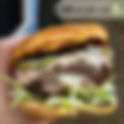
Some burgers satisfy hunger. Others become part of culinary folklore. The legendary Juicy Lucy belongs to the second category. Matt’s Bar — The South Minneapolis Original That Put the Juicy Lucy on America’s Culinary Map. Born in the heart of South Minneapolis during the 1950s, the Juicy Lucy became one of America’s most distinctive regional burger creations. Both the historic Matt’s Bar and the 5-8 Club have long claimed ownership of the invention, turning the debate into part of Minnesota food culture itself. What made the burger unforgettable was not simply the beef — it was the hidden core of molten cheese sealed inside the patties themselves. Chef Janine’s Gourmet Keto Juicy Lucy — A Molten-Centered Minneapolis Classic Reimagined with Grass-Fed Beef, Keto Buns, and Pure Indulgence Without the Carb Overload. The South Minneapolis Original Matt’s Bar Unlike a traditional cheeseburger where cheese rests on top, the Juicy Lucy traps melted cheese inside two thin beef patties. The result is dramatic: when bitten into too early, the scorching cheese flows outward in a lava-like burst. For decades, locals have jokingly warned newcomers: “Wait a minute before biting in… or it’ll bite back.” Today, the Juicy Lucy remains one of the Midwest’s most iconic comfort foods — especially beloved during backyard grilling gatherings, summer cookouts, and festive national celebration days centered around traditional American grilling culture. Chef Janine’s Upscale Ketogenic Approach Chef Janine transforms this beloved Minneapolis classic into a luxurious ketogenic gourmet burger experience while preserving the soul of the original creation. Instead of conventional beef, Chef Janine begins with richly flavored grass-fed ground beef, delivering a deeper, cleaner beef profile with superior fat composition and enhanced nutritional value. The burger is carefully handcrafted using two thin beef patties stuffed with melted American cheese and Chef Janine’s signature secret sauce before being sealed and griddled to perfection. The result is a juicy, molten-centered burger that remains indulgent while fitting beautifully into a low-carb lifestyle. Lupin flour Her ketogenic approach continues with thoughtfully layered textures and flavors: Grilled keto buns with a crisp buttery interior Thinly sliced onion rings for elegant crunch Delicate kosher pickle slices for acidity and balance A creamy ketogenic slaw on the side Special keto French fries prepared with lupin flour Chef Janine replaces heavy, greasy bar-food styling with a refined gourmet presentation while maintaining everything people love about the legendary Juicy Lucy experience. One bite reveals why this burger style has remained iconic for generations. Ingredients Overview Component Description Grass-Fed Ground Beef Rich, flavorful beef with excellent fat balance American Cheese Melted center core for authentic Juicy Lucy texture Chef Janine Secret Sauce Creamy savory sauce layered inside the burger Keto Burger Bun Low-carb bun grilled on the inside Onion Rings Thinly sliced for crisp texture Kosher Pickles Bright acidity that balances richness Ketogenic Slaw Creamy low-carb cabbage side Lupin Flour Keto Fries Low-carb alternative to traditional fries Nutritional Facts Nutritional Value Approximate Amount Calories 780–920 Protein 42–48g Total Fat 58–68g Net Carbohydrates 8–12g Fiber 10–16g Sugar 2–4g Values may vary depending on bun, cheese, sauce, and portion size. Nutritional & Lifestyle Benefits Benefit Why It Matters High Protein Content Supports satiety and muscle maintenance Low Net Carbs Helps support ketogenic and low-carb lifestyles Grass-Fed Beef Contains beneficial fatty acid profile and rich flavor Lupin Flour Fries Higher fiber and lower carb alternative to potatoes Reduced Sugar Avoids blood sugar spikes common in traditional fast food Balanced Fats Helps promote longer-lasting fullness Gourmet Satisfaction Delivers indulgence without traditional burger overload The Story Behind the Plate Regional American foods often become symbols of identity, memory, and celebration. The Juicy Lucy represents a very specific slice of Midwestern Americana — neighborhood bars, sizzling flat-top grills, crowded summer evenings, and generations gathering around burgers fresh off the griddle. Chef Janine honors that culinary tradition while elevating it into a modern gourmet ketogenic experience. Her version keeps the excitement and indulgence intact — the molten cheese center, the juicy beef, the crisp toppings — while removing much of the heaviness and carb overload that typically accompanies traditional burger-and-fries meals. The result is nostalgic comfort food reimagined through the lens of ingredient quality, metabolic awareness, and culinary craftsmanship. Recommended Drink Pairings Bulletproof Coffee The richness of butter-forward coffee pairs beautifully with the savory beef and melted cheese core, especially for brunch or late morning enjoyment. Sparkling Mineral Water with Lime A refreshing pairing that cuts through the richness of the burger while cleansing the palate. Unsweetened Iced Tea Clean and refreshing with excellent balance against the creamy sauce and cheese. Sugar-Free Craft Root Beer A nostalgic American-style pairing that complements the classic burgerhouse experience. Electrolyte Lemonade A keto-friendly citrus beverage that works exceptionally well during outdoor grilling celebrations and summer gatherings. Perfect for Celebration Grilling Traditions From Memorial Day gatherings to Labor Day cookouts, summer family reunions, patriotic celebrations, outdoor parties, and traditional weekend grilling events, few meals capture the spirit of American comfort food better than a perfectly prepared burger. Chef Janine’s ketogenic Juicy Lucy brings that timeless grilling tradition into a more refined and health-conscious culinary direction — without sacrificing indulgence, satisfaction, or flavor. This is the type of burger that reminds people why regional American classics endure generation after generation. Closing Thoughts The legendary Juicy Lucy has survived for decades because it delivers something unforgettable: surprise, richness, comfort, and pure culinary satisfaction in every bite. Chef Janine’s gourmet ketogenic interpretation preserves the heart of this Minneapolis icon while elevating it through premium ingredients, refined textures, and a cleaner low-carb philosophy. The molten cheese center, the crisp grilled bun, the balance of pickles and onions, and the satisfying richness of grass-fed beef all come together in a burger experience that feels both nostalgic and entirely new. For lovers of classic American grilling traditions, this decadent ketogenic Juicy Lucy proves that comfort food can still feel indulgent, celebratory, and deeply satisfying — without abandoning a modern low-carb lifestyle. Visit www.comfortketo.com to check when this featured dish returns to the menu. Bon Appétit Chef Janine.
- Chef Janine’s Keto-Friendly Vegetable Guide
The vegetables listed in this blog post are staples in Chef Janine’s gourmet keto recipes. They are low in net carbs, full of fiber, and packed with nutrients — helping you stay satisfied without spiking blood sugar. Just a quick overview before we go deeper... For best results, enjoy a colorful variety 🌈 (aim for five different colors each day). 🌱 Very Low-Carb Favorites (0–2g net carbs per serving) 🥬 Vegetable / Herb 🍽️ Serving Size 🔢 Net Carbs 💡 Keto-Friendly Uses 🌿 Basil 2 Tbsp, chopped 0.1g Sweet aromatic herb for pesto, salads, and sauces 🥬 Broccoli Rabe 1 cup 0.1g Bitter greens sautéed with olive oil and garlic 🌱 Chives 1 Tbsp 0.1g Sprinkle on eggs, soups, and salads 🌿 Cilantro (Coriander) 2 Tbsp 0.1g Fresh flavor for dressings, tacos, and toppings 💧 Watercress 1 cup 0.1g Light salad green or elegant garnish 🥒 Celery 1 stalk 0.2g Crunchy snack with nut butter or guacamole 🥬 Lettuce 1 cup 0.2g Perfect base for salads and wraps 🌿 Parsley 2 Tbsp, chopped 0.2g Fresh garnish, chimichurri, and sauces 🥬 Endive 1 cup 0.3g Crisp salad ingredient or edible dip boat 🌱 Arugula 1 cup 0.4g Peppery greens for salads and protein bowls 🌶️ Jalapeños 1 pepper 0.4g Adds heat and flavor to keto dishes 🧅 Green Onions ¼ cup 0.7g Excellent in omelets, soups, and salads 🥬 Bok Choy 1 cup, chopped 0.8g Light stir-fries, soups, and Asian dishes 🔴 Radishes ½ cup, sliced 0.8g Crisp snack or salad topping 🧄 Garlic 1 clove 0.9g Adds depth and flavor to virtually any dish 🥬 Kale 1 cup, chopped 0.9g Sautéed, baked into chips, or blended 🌿 Mustard Greens 1 cup, chopped 0.9g Slightly spicy greens for salads and sautés 🫒 Olives 5 large 1.0g Healthy fats and Mediterranean flavor 🥬 Swiss Chard 1 cup, chopped 1.0g Great sautéed with olive oil or eggs 🟣 Red Cabbage 1 cup, shredded 1.3g Crunchy slaws, salads, and stir-fries 🧅 Shallots 1 Tbsp 1.4g Rich flavor for dressings and cooking 🥒 Cucumber ½ cup 1.9g Hydrating snack, salads, and infused water 🎋 Bamboo Shoots ½ cup 2.0g Excellent in stir-fries and soups 🥬 Green Cabbage 1 cup, chopped 2.0g Sautéed, fermented, or used in soups 🥬 Collard Greens 1 cup, chopped 2.0g Keto wraps or buttery sautéed greens Chef Janine's "Almost Free" Keto Vegetables These vegetables are so low in net carbs that most keto practitioners can enjoy them generously: 🥇 0.1g Net Carbs: Basil, Broccoli Rabe, Chives, Cilantro, Watercress 🥈 0.2–0.4g Net Carbs: Celery, Lettuce, Parsley, Endive, Arugula, Jalapeños 🥉 0.7–1.0g Net Carbs: Green Onions, Bok Choy, Radishes, Garlic, Kale, Mustard Greens, Olives, Swiss Chard These are excellent staples for salads, omelets, soups, stir-fries, and gourmet keto meals. 🥦 Moderate Low-Carb Veggies (2–4g net carbs per serving) 🍆 Vegetable 🍽️ Serving Size 🔢 Net Carbs 💡 Keto-Friendly Uses 🧅 Onions ¼ cup 2.2g Adds depth and sweetness to soups, stews, omelets, and sautés 🍄 Portobello Mushrooms 1 mushroom 2.2g Grill, roast, or stuff with cheese and herbs 🌿 Asparagus 1 cup 2.4g Roast, grill, sauté, or add to frittatas 🍆 Eggplant 1 cup 2.4g Roast slices, make baba ganoush, or layer into casseroles 🥒 Zucchini 1 cup, sliced 2.6g Spiralize into noodles, air-fry sticks, or sauté 🌞 Summer Squash 1 cup, sliced 2.7g Roast, sauté, grill, or add to soups and stews 🥦 Cauliflower 1 cup 3.3g Keto rice, mashed cauliflower, pizza crusts, and casseroles 🥬 Kohlrabi 1 cup, chopped 3.5g Crunchy raw snack, slaws, or roasted side dish 🌿 Fennel 1 cup, sliced 3.7g Slice into salads or roast for a sweet, anise-like flavor Moderate-Carb Keto Vegetables These vegetables are still very keto-friendly but are best enjoyed with a little more awareness of portion sizes: 🥇 2.2g Net Carbs: Onions, Portobello Mushrooms 🥈 2.4–2.7g Net Carbs: Asparagus, Eggplant, Zucchini, Summer Squash 🥉 3.3–3.7g Net Carbs: Cauliflower, Kohlrabi, Fennel 👨🍳 Chef Janine's Favorites for Gourmet Keto Cooking 🍄 Portobello Mushrooms – Excellent meat substitute and perfect for stuffing. 🥦 Cauliflower – The most versatile keto vegetable; transforms into rice, mash, soup, pizza crust, and even "potato" salad. 🥒 Zucchini – A staple for zoodles, casseroles, fritters, and grilled side dishes. 🌿 Asparagus – Elegant enough for dinner parties and simple enough for weeknight meals. 🧅 Onions – While slightly higher in carbs than leafy greens, small amounts provide tremendous flavor and are often worth the carb investment. 🍅 Higher but Still Keto-Friendly (4–5g net carbs per serving) 🥗 Vegetable 🍽️ Serving Size 🔢 Net Carbs 💡 Keto-Friendly Uses Green Beans 1 cup 4.3g Steam, sauté, roast, or pair with parmesan and almonds 🫑 Bell Peppers 1 cup, chopped 4.4g Bright, colorful, rich in vitamin C; delicious raw or cooked 🥕 Carrots ½ cup, shredded 4.4g Best in moderation; adds sweetness and crunch to salads 🥬 Brussels Sprouts 1 cup, halved 4.5g Roast until crispy with olive oil, garlic, and bacon 🍅 Tomatoes 1 cup, chopped 4.8g Enjoy fresh, roasted, stuffed, or in homemade sauces Higher-Carb Keto Vegetables These vegetables can absolutely fit into a ketogenic lifestyle but are typically enjoyed in more measured portions than leafy greens and cruciferous vegetables. 🥇 4.3g Net Carbs: Green Beans 🥈 4.4g Net Carbs: Bell Peppers, Carrots 🥉 4.5–4.8g Net Carbs: Brussels Sprouts, Tomatoes 👨🍳 Chef Janine's Gourmet Keto Picks 🫑 Bell Peppers – One of the most versatile keto vegetables. Perfect for stuffed peppers, fajitas, omelets, salads, and stir-fries. 🥬 Brussels Sprouts – Roasting transforms them into a nutty, caramelized side dish that pairs beautifully with steak, pork, or chicken. 🍅 Tomatoes – Worth every carb gram when used to create fresh salsas, Mediterranean salads, marinara sauces, and caprese-style dishes. 🥕 Carrots – Higher in natural sugars than most keto vegetables, but small amounts can add color, sweetness, and nutritional value to salads and side dishes. Green Beans – A classic comfort-food vegetable that works well with butter, garlic, toasted almonds, or parmesan cheese. 🍝 Special Low-Carb Pasta Swap Spaghetti Squash (7.5g per cup, cooked) – Perfect as a noodle replacement; pair with pesto or Alfredo. ✅ Tip: Build your plate mostly with very-low-carb veggies, add some moderate ones for variety, and enjoy higher-carb choices in balance. Aim for at least five different colors per day for maximum nutrients and flavor. Visit www.comfortketo.com regularly to check when dishes featuring these vegetables return to the menu. Bon Appétit! Chef Janine.
- Pain Perdu: A Tale of Forgotten French Bread and Its Keto Revival
Pain Perdu, or "lost bread," carries within its golden crust the echoes of history, a dish born from necessity yet elevated to indulgence. Its origins trace back to medieval France, where thrifty households found a way to salvage stale bread, transforming it into a rich, custard-soaked delicacy. Yet, this was not a uniquely French creation—the idea of reviving dry bread with eggs and dairy was embraced across cultures. The English called it "Poor Knights of Windsor," the Germans "Arme Ritter," and the Spanish "Torrijas," each infusing it with regional flavors such as wine, citrus, or cinnamon. Pain Retrouvé: A Keto Rediscovery A Dish for Every Table: From Peasant Homes to Aristocratic Feasts In its earliest days, Pain Perdu was a humble, home-cooked meal, enjoyed by families seeking to avoid waste. Medieval households served it as a simple yet satisfying dish, often sweetened with honey or fruit preserves. As culinary traditions evolved, French aristocrats refined the dish, enhancing it with cream, exotic spices, and sometimes liqueur, turning it into a delicacy worthy of noble tables. By the 17th and 18th centuries, Pain Perdu found its way into grand breakfasts and leisurely brunches among the French bourgeoisie. It was no longer merely a way to repurpose stale bread but a symbol of comfort and decadence. In New Orleans, influenced by French settlers, Pain Perdu became a beloved Southern specialty, served with rich syrups and fresh berries. Restaurants began offering it as a luxurious breakfast dish, often paired with café au lait or fresh cream. By the 20th century, Pain Perdu had cemented its place as a staple of both home kitchens and restaurant menus. It became a cherished breakfast and brunch dish, celebrated for its ability to blur the lines between simplicity and extravagance. While some enjoyed it as a morning indulgence, others found it best suited for a weekend brunch, a slow and indulgent meal meant to be savored. Pain Retrouvé: A Keto Rediscovery by Chef Janine Depth of Madagascar vanilla Whisper of Ceylon cinnamon For those walking the ketogenic path, the lost bread is found again—reborn without the burden of sugar and grains. Instead of a wheat-based brioche, a low-carb bread emerges, crafted from a perfect blend of almond and coconut flour, with a touch of psyllium husk for structure. The custard remains a decadent blend of pastured eggs and grass-fed cream, sweetened with monk fruit sweetener. A whisper of Ceylon cinnamon, the depth of Madagascar vanilla, and a pinch of mineral-rich salt elevate the experience. Chef Janine takes this revival a step further, plating her keto Pain Perdu with care. A drizzle of keto-friendly maple syrup glistens over the crisp, buttery edges, pooling ever so slightly around the base. Beside it, a velvety, heavy cream-based custard sauce—infused with the warmth of vanilla bean and a touch of nutmeg—invites each bite to be dipped. A scattering of fresh berries—plump slices of strawberries, blackberries, raspberries, and blueberries—brings a burst of brightness, their natural sweetness complementing the creamy richness. Delicate sprigs of fresh mint add an aromatic lift, a nod to the herbal elegance of classic French desserts. To complete the experience, she serves breakfast sausage links on the side—perfectly seared, their golden-brown crust giving way to a savory, spiced side. Just as its ancestors transformed simple ingredients into something extraordinary, this version of Pain Retrouvé allows the indulgence to live on—timeless, rich, and unapologetically satisfying. Visit www.comfortketo.com to check when this featured dish returns to the menu. Bon Appétit! Chef Janine.
- Swedish Meatballs: A Deep Dive into Its History and Keto Transformation
Svenska Köttbullar, or Swedish Meatballs, are a national treasure of Sweden, gracing every authentic Midsummer buffet. Their signature blend of savory meat, warm spices, and creamy sauce has made them a global comfort food icon. Chef Janine has transformed this classic into a keto-friendly dish, maintaining its nostalgic richness while eliminating excess carbs. Traditionally, Swedes serve köttbullar with creamy gravy over mashed potatoes, a side of green peas, and pressgurka—a refreshing cucumber and dill salad marinated in vinegar. And for a truly authentic experience, you should be listening to Astrid Lindgren’s whimsical song "Ge mig mera köttbullar" ("Give Me More Meatballs") while you eat. 😄 It’s a true treat that stirs the heart and appetite! Global Popularity: Swedish Meatballs have achieved worldwide fame, in large part thanks to IKEA, where over 2 million meatballs are served daily across 340 stores worldwide. Their universal appeal lies in their comforting, mildly spiced flavor, creamy sauce, and their adaptability to various local palates. History of Recognition: King Karl XII of Sweden (Charles XII) Swedish Meatballs became recognized in the western world following the early 18th century, thanks to King Karl XII of Sweden, who introduced the adapted Turkish köfte recipe to Sweden after living in Turkey during the "Great Northern War." The "Great Northern War" was a major conflict in which a coalition led by Tsarist Russia challenged the supremacy of the Swedish Empire in Northern, Central, and Eastern Europe. King Karl XII of Sweden (Charles XII) was one of the key figures during the Great Northern War between 1700 and 1721. Battle of Poltava in 1709 During the Great Northern War, after suffering a major defeat by the Russians at the Battle of Poltava in 1709, King Karl XII was forced to flee with a small group of followers. He took refuge in the Ottoman Empire — specifically in the town of Bender (in modern-day Moldova, which was under Ottoman control at the time). The traditional Turkish meatballs called "köfte." King Karl XII lived in exile under the protection of the Sultan Ahmed III from 1709 till 1714. During this time, Karl XII was exposed to many aspects of Ottoman culture — the food. In particular, he became fond of köfte, the traditional seasoned Turkish meatballs. Welcomed at first, Karl’s long stay — nearly five years — wore thin on the Ottomans. The Sultan’s patience ran out in 1713 when Karl kept meddling in Ottoman affairs, trying to persuade Ottomans to go to war against Russia. Stubborn Karl barricaded himself in the fortified residence he was assigned by the Sultan. After hours of resistance, he was captured. Ottoman Sultan Ahmed III During his stay in Bender (modern-day Moldova), Karl XII was reportedly given a harem as part of his "royal" treatment by the Ottoman Sultan Ahmed III. The Sultan, likely to maintain good diplomatic relations and as a gesture of hospitality, provided Karl with a group of concubines, which was a common practice for high-ranking foreign figures during that time. That explains why he didn't want to leave for so long. 😱 Eventually in 1714, Karl was granted safe passage back to Sweden. When he eventually returned to Sweden, he brought with him the recipe for köfte, which evolved into Svenska Köttbullar — the beloved Swedish meatballs we know today. His exile in the Ottoman Empire remains one of the more fascinating chapters in his life! In the United States today, Köttbullar continue to be celebrated — whether at IKEA cafeterias, Scandinavian festivals, fine-dining establishments serving Nordic cuisine or with us at Comfort Keto. Cultural and Historical Background: Svenska köttbullar is always served for smörgåsbord In Sweden, Svenska Köttbullar hold a place of honor in cultural celebrations like Midsummer festivals and Christmas smörgåsbords. Svenska Köttbullar symbolize Swedish hospitality, tradition, and the blending of old-world recipes with Nordic flavors like allspice and lingonberry. Journey to the Current Region: Thanks to Swedish immigrants and the global expansion of IKEA, Swedish Meatballs have spread throughout Europe, North America, and Asia. They evolved along the way — from hearty home-cooked meals to restaurant staples. Chef Janine’s Keto Version Details: Chef Janine uses high-fat, grass-fed ground meats, almond flour or parmesan cheese as binders instead of breadcrumbs, and a rich, keto-compliant cream sauce thickened naturally without starches. The seasoning blend remains faithful to the original — featuring nutmeg and allspice. Chef Janine’s Keto Swedish Meatballs Side Dishes: In Sweden, traditional accompaniments include mashed potatoes, lingonberry sauce, and pressgurka (vinegared cucumber dill salad). Chef Janine’s keto plate substitutes mashed cauliflower for potatoes and features a sugar-free mixed berry preserve (lingonberry is not available in Southern California) alongside steamed green beans or a refreshing keto-friendly cucumber salad. Ingredient Tables Traditional Version: Ingredient Nutritional Info Health Benefits 🐄 Ground Beef & Pork High protein, moderate fat Energy source, muscle building 🍞 Breadcrumbs High carb, low fiber Quick energy but spikes blood sugar 🧂 Allspice Low calorie Anti-inflammatory Chef Janine's Keto Version: Ingredient Nutritional Info Health Benefits 🐄 Grass-fed Beef & Pork High protein, high omega-3 Heart health, lean muscle support 🧀 Parmesan Cheese High fat, low carb Calcium-rich, adds flavor without carbs 🧈 Heavy Cream High fat, zero carb Sustained energy on keto Chef Janine’s keto version of Swedish meatballs has quickly become one of the most popular items in our keto meal lineup — and for good reason. By preserving the rich, buttery flavors of the traditional dish while replacing carb-heavy ingredients with wholesome, ketogenic alternatives, these meatballs deliver true comfort without compromise. Perfectly satisfying, packed with healthy fats and high-quality protein, they not only delight the taste buds but also nourish the body. Whether you're seeking a cozy meal to lift your spirits or a smart choice to stay on track with your health goals, our keto Swedish meatballs promise a delicious way to feel happy, full, and fueled for life. Visit www.comfortketo.com to check when this featured dish returns to the menu. God aptit, Chef Janine.
- 🧠😵💫 The Most Harmful Foods Causing Brain Disease
Dr. Georgia Ede is a Harvard-trained psychiatrist specializing in mental health and the brain. Dr Ede has spent 25 years researching the role of a Ketogenic Diet and the Carnivore Diet and its impact on mental illness and brain disease, namely dementia , depression , anxiety , ADHD, and bipolar disorder . This video discusses how the brain functions at an optimal state and the 5 neurotransmitters responsible for mood and optimal brain function . Dr. Ede also shares the worst foods people are eating every day that destroys brain function and lead to common mental illnesses like dementia, Alzheimer’s, anxiety, and depression. This video discusses how the brain functions at an optimal state and the 5 neurotransmitters responsible for mood and optimal brain function . Please access notes, referenced articles, books, and additional resources at this link: https://www.5minutebody.com/lab/dr-georgia-ede-diet-nutrition-for-mental-health-memory-and-brain-function