

What Are Actually Prebiotics and Probiotics???

You've probably heard the terms prebiotics and probiotics tossed around. But what exactly are they, and what's the difference between the two?
Let's break it down.

Probiotics = Live Beneficial Micro-organisms
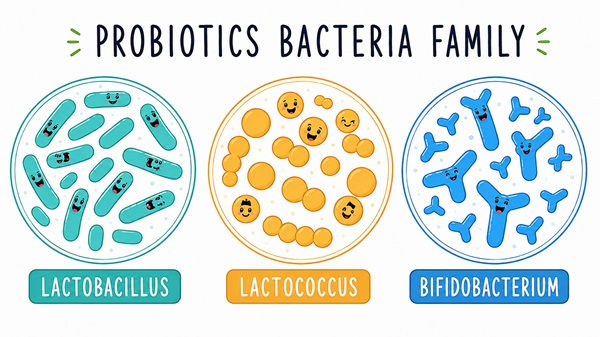
Probiotics are beneficial live micro-organisms that support digestive health. They include certain strains of bacteria and yeast that naturally help maintain the health and balance of your gut microbiome.
These micro-organisms live throughout the digestive tract and play an important role in digestion, nutrient absorption, immune function, and maintaining a healthy balance between beneficial and harmful organisms.
Your Digestive System Does More Than Digest Food
Most people think of the digestive system simply as the body's food-processing machinery. In reality, it performs many essential functions that influence overall health and well-being.
Your digestive system:
Breaks down food into nutrients your body can absorb and use for energy.
Eliminates waste products from the body.
Helps defend against harmful bacteria and other unwanted pathogens.
Supports a large portion of your immune system.
Serves as an important communication network between the gut and the brain.
Think of probiotics as part of the digestive system's workforce. These tiny micro-organisms work around the clock assisting with digestion, supporting nutrient absorption, helping keep harmful organisms under control, and maintaining a healthy gut environment. While probiotics are the workforce, prebiotics are the food that keeps that workforce alive and productive.
These are just a few of the reasons why maintaining a healthy gut microbiome is so important.
Foods Naturally Rich in Probiotics
Probiotic-rich foods naturally contain beneficial micro-organisms that help support a healthy and balanced gut microbiome.
Yogurt
Kefir
Kombucha
Miso
Sauerkraut
Kimchi
Raw, unfiltered apple cider vinegar
Other fermented vegetables and cultured foods

Prebiotics = Food for Your Beneficial Bacteria
Prebiotics are non-digestible fibers and plant compounds that pass through the stomach and small intestine largely unchanged. Once they reach the colon, they become nourishment for beneficial bacteria, helping them grow, multiply, and thrive. While probiotics introduce beneficial micro-organisms into the digestive tract, prebiotics provide the nourishment they need to survive and flourish.
Think of it this way:
Probiotics are the livestock. Prebiotics are the feed.
Without a steady supply of prebiotics, beneficial bacteria struggle to flourish and maintain a healthy balance within the digestive tract.
Fiber-rich plant foods are among the best natural sources of prebiotics. While many can be enjoyed cooked, some prebiotic compounds are best preserved when foods are consumed raw.
Prebiotic-rich foods include:

Why Are Prebiotics and Probiotics Important?
The importance of prebiotics and probiotics in our diets is astounding. These micro-organisms, albeit tiny, pack a nutritional punch.
Together, probiotics and prebiotics help maintain a healthy and diverse gut microbiome. In turn, a healthy microbiome supports digestion, nutrient absorption, immune function, and many other processes throughout the body.
The Benefits of Probiotics
Including probiotic-rich foods in your diet helps:
Keep harmful organisms under control.
Protect the lining of the digestive tract.
Support proper digestion.
Assist with intestinal motility, bile production, and digestive secretions.
Strengthen immune function.
Improve the absorption and availability of nutrients such as vitamin B12, iron, and magnesium.
Maintain a healthy balance within the gut microbiome.
The Benefits of Prebiotics
Including prebiotic-rich foods in your diet helps:
Improve digestion.
Increase nutrient absorption.
Support natural detoxification.
Strengthen the immune system.
Support healthy weight management.
Feed beneficial bacteria.
Encourage the growth and survival of good organisms.
Discourage the growth of harmful organisms.
Promote a healthy and diverse gut microbiome.
What Happens If You Don't Get Enough?
When your diet lacks both prebiotics and probiotics, harmful organisms can gradually gain the upper hand in the digestive tract. As beneficial bacteria decline, digestion suffers and imbalance begins to develop.
Common signs of an unhealthy gut include:
Bloating
Excessive gas
Constipation
Diarrhea
Digestive discomfort
Over time, chronic imbalance can contribute to inflammation and gradually weaken the protective lining of the digestive tract.
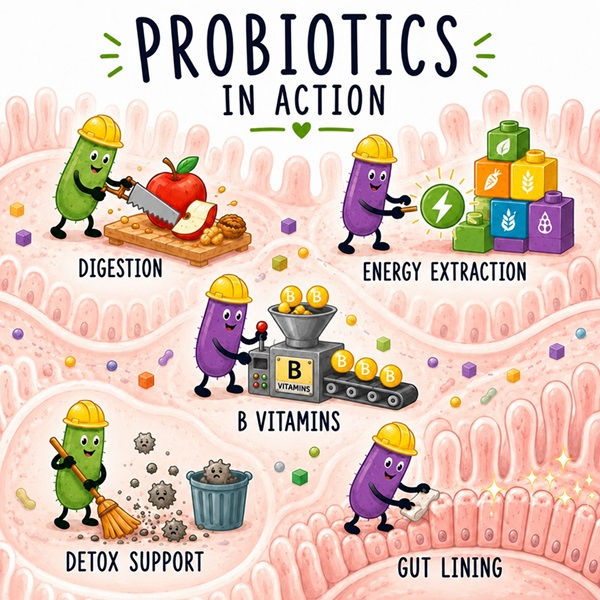
A healthy and balanced gut microbiome does far more than support digestion. It helps keep harmful organisms under control, supports the protective lining of the digestive tract, improves nutrient absorption, and plays an important role in overall health. Beneficial microorganisms also help make nutrients more available, allowing the body to better utilize the vitamins, minerals, and other compounds found in the foods we eat.
The Comfort Keto Difference
At Comfort Keto, we place a strong emphasis on ingredients that naturally support a healthy gut microbiome. Our prepared meals contain an abundance of fiber-rich vegetables, herbs, fermented ingredients, and nutrient-dense whole foods that provide both prebiotics and probiotics as part of a balanced ketogenic lifestyle.
Every Comfort Keto meal is designed not only to satisfy hunger, but also to nourish the microbiome that helps nourish you.
Because nutrition is the beginning of every healing, supporting the health of your gut is one of the most important investments you can make in your long-term health and well-being.
Bon appétit!
Chef Janine



Comments