

MAHA: A 15-Month Record of Federal Actions Across Food Systems, Healthcare, and Fraud Enforcement

Updated: May 3
The first fifteen months of the current administration reflect a high level of coordinated activity under the Make America Healthy Again (MAHA) program, with multiple federal actions, programs, and enforcement measures initiated across food systems, healthcare delivery, and fraud prevention.
This overview does not encompass the full scope of what has been accomplished—nor is it intended to do so—but rather provides a focused snapshot that offers a general sense of how agencies under the Department of Health and Human Services have been performing during this period.

Execution has involved several key federal leaders and agencies:
Vice President JD Vance
Coordinating role in anti-fraud initiatives and cross-agency efforts
Dr. Mehmet Oz
Overseeing program deployment and fraud enforcement through the Centers for Medicare & Medicaid Services (CMS)
Department of Health and Human Services (HHS)
Guiding overall health policy alignment
U.S. Department of Agriculture (USDA)
Coordinating food and agriculture-related actions
Food and Drug Administration (FDA)
Supporting food system regulation and ingredient review
HHS Office of Inspector General (OIG)
Collaborating on enforcement and oversight activities
Additional federal partners (multi-agency coordination)
Supporting enforcement, compliance, and program execution
Operational scope across agencies
Ingredient review
Healthcare model adjustments
Preventive care expansion
Fraud detection and enforcement systems
Given the scale and duration of existing systems—representing over $7 trillion in combined annual economic activity across healthcare, food, and pharmaceutical sectors, and affecting more than 100 million Americans through federal programs alone—progress is inherently incremental. These systems have been built and layered over 40 to 60 years, with deeply embedded regulatory, financial, and supply-chain dependencies. As a result, meaningful reform requires sustained analysis, detection, and corrective action over time before measurable structural change can be realized.
Outcomes are expected to continue evolving over time rather than shifting immediately.
This report acknowledges the efforts of all participating agencies, officials, and program leaders engaged in advancing the stated objectives of Make America Healthy Again.
Scale and Structural Complexity of U.S. Health, Food, and Pharmaceutical Systems
a) Healthcare system scale
~$4.5–$5.0 trillion/year total spend (≈ 18–19% of GDP)
1+ million physicians, 3+ million nurses
6,000+ hospitals, 10,000+ outpatient centers
Federal programs:
Medicare: ~65 million people
Medicaid: ~90 million people
Regulatory layers spanning 50+ years of policy buildup (1965 Medicare/Medicaid → present)
b) Food system scale
$2+ trillion/year total food sector (production → retail → food service)
330+ million consumers affected daily
2 million+ farms, but heavily consolidated supply chains
Top 10 food companies control a significant share of ultra-processed market segments
Federal oversight fragmented across:
Food and Drug Administration
United States Department of Agriculture
Modern industrial food expansion: ~1970s → present (~50 years)
c) Vaccine / pharmaceutical framework
U.S. pharmaceutical market: ~$600–$700 billion/year
Global pharma influence integrated into U.S. policy and supply chains
Vaccine schedule expanded over ~40+ years (1980s → present)
Oversight bodies include:
Centers for Disease Control and Prevention
Food and Drug Administration
Liability/legal framework (e.g., compensation programs) in place since 1986
d) Fraud, waste, and abuse exposure (healthcare alone)
Estimated $150–$300+ billion/year in improper payments / fraud
Medicare & Medicaid identified as primary exposure zones
Enforcement and detection systems span decades, but remain incomplete
Thousands of cases prosecuted annually, but only a fraction of total activity detected
Structural inertia (why change is slow)
Across these systems, you’re dealing with:
>$7 trillion/year combined economic activity
100+ million people directly dependent on federal programs
Regulatory frameworks layered over 40–60 years
Deep institutional entanglement (public + private + global supply chains)
HHS in Action: Federal Programs, Enforcement Measures, and System Outcomes
🥗 FOOD SYSTEM CHANGES (COMPLETED)
1. Ingredient-level changes
~35% of U.S. food industry:
committed to removal/phase-out of synthetic food dyes
Applies to:
packaged foods
beverages
children-targeted products
2. State-level and nationwide ingredient legislation
West Virginia:
enacted ban on certain synthetic food dyes
Nationwide:
~75 bills across 37 states targeting:
artificial dyes
additives
food chemicals

3. SNAP Purchasing Controls
Federal waivers issued allowing states to:
Restrict SNAP purchases of:
Soda
Candy
Ultra-processed foods

Program integrity and eligibility measures implemented:
Mandatory requalification requirements introduced to strengthen eligibility verification and reduce fraudulent enrollment
Enhanced recipient verification processes implemented, including periodic reviews and documentation updates
Work requirement standards reinforced and expanded, particularly for able-bodied adults without dependents
Enrollment controls tightened, including targeted eligibility audits and verification checks in high-risk areas
Program structure and oversight:
SNAP remains administered by the United States Department of Agriculture, with increased emphasis on program integrity, compliance, and targeted benefit allocation
State-level flexibility expanded within a federally coordinated oversight framework
4. Federal food policy coordination
Integrated across involved Federal Agencies
U.S. Department of Health and Human Services (HHS)
→ Overall policy direction, cross-agency coordination
National Institutes of Health (NIH)
→ Primary research funding and clinical investigation
Centers for Disease Control and Prevention (CDC)
→ Population health data, epidemiology, and surveillance
Food and Drug Administration (FDA)
→ Regulatory science, safety evaluation, and ingredient/pharmaceutical review
United States Department of Agriculture (USDA)
→ Nutrition research, food systems, and agricultural exposure analysis
Environmental Protection Agency (EPA)
→ Environmental exposure assessment and toxicology research
Active review areas:
food additives
ultra-processed foods
pesticide exposure
5. Pesticide policy outcome
2026 House Farm Bill (link):
The pesticide liability shield provision removed
A proposed pesticide liability provision in the 2026 House Farm Bill sought to establish federal preemption over pesticide labeling, preventing states or courts from requiring additional warnings beyond those approved by the EPA and limiting failure-to-warn liability. This language was removed through amendment prior to House passage.
Effect:
The liability shield was real
It was implemented through labeling preemption language
It would have limited lawsuits significantly
It was removed before final House passage
Therefore: no final bill text contains it
Legal claims regarding pesticide exposure are now permitted

6. Labeling Status
Current federal status:
No finalized, comprehensive federal labeling mandate has been implemented to date
Existing labeling frameworks remain in effect under the Food and Drug Administration, with incremental updates rather than structural overhaul
Policy direction and active regulatory review:
Federal agencies—primarily the Food and Drug Administration, in coordination with the U.S. Department of Health and Human Services and the United States Department of Agriculture—have initiated a broad review of labeling standards, with emphasis on improving consumer clarity and nutritional transparency.
Key areas under active consideration:
Ingredient transparency enhancements
Clearer disclosure of additives, preservatives, and artificial ingredients
Standardization of ingredient naming conventions for consumer readability
Increased scrutiny of “natural,” “healthy,” and similar marketing claims
Added sugar and nutrient disclosure refinement
Tightening of added sugar labeling thresholds
Improved visibility of key metabolic-impact nutrients
Front-of-package (FOP) labeling models
Evaluation of simplified, consumer-facing labeling systems
Introduction of interpretive labels (e.g., nutrient density, processing level indicators)
Review of international models for potential adaptation
Ultra-processed food identification (under evaluation)
Early-stage discussion around classification or disclosure of processing levels
No formal definition or mandate currently established
Marketing and claims oversight
Review of health-related claims on packaging
Alignment between labeling claims and actual nutritional composition
Implementation status and timeline:
Regulatory action remains in the review and development phase
No final rules have been issued for major structural changes
Formal implementation will require:
Rulemaking proposals
Public comment periods
Industry compliance timelines
Expected rollout: incremental over multiple years, not immediate
Industry response (early-stage):
Voluntary shifts toward:
Cleaner ingredient labels
Reduced additive use
Simplified product positioning
Anticipatory reformulation in select product categories ahead of formal regulation
Key takeaway
Labeling reform is initiated and being operationalized at scale. Current activity reflects a transition from legacy labeling frameworks toward greater transparency, clearer consumer communication, and closer alignment with federal nutrition priorities, with full implementation dependent on the federal rulemaking process.
7. Retail & Manufacturing Impact
Manufacturers
Product reformulation initiatives (active)
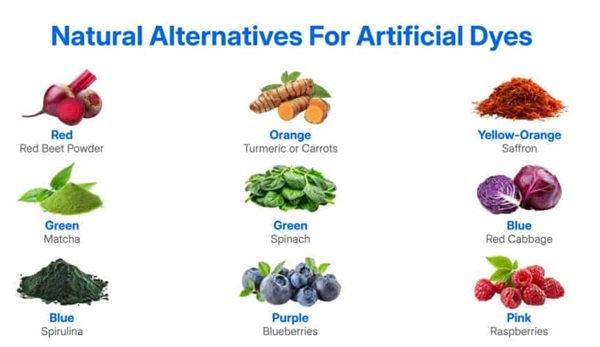
Removal of synthetic dyes and transition to alternative coloring systems
Adjustment of flavoring and preservation systems affected by dye removal
Reformulation testing to maintain shelf life, taste stability, and visual consistency
Portfolio-level review
Prioritization of high-volume SKUs for early reformulation
Gradual phase-out of legacy formulations across product lines
Parallel production (old vs. reformulated) during transition periods
Compliance and forward positioning
Alignment with emerging state-level restrictions and anticipated federal direction
Preemptive reformulation to reduce future regulatory risk
Increased internal review of ingredient safety and labeling claims
Retail
Sourcing adjustments
Shift toward suppliers offering reformulated, dye-free, or “cleaner label” products
Re-evaluation of vendor portfolios to align with evolving product standards
Private label adaptation
Reformulation of store-brand products to meet new ingredient expectations
Competitive positioning around “no artificial colors” and simplified ingredient lists
Shelf strategy and merchandising
Gradual replacement of legacy products with reformulated alternatives
Increased visibility of “clean label” or reformulated products in certain categories
Monitoring of consumer response and sales performance during transition

Supply Chain

Ingredient sourcing transition
Shift from synthetic dyes to alternative coloring ingredients (e.g., plant-derived sources)
Development of new supplier relationships to support alternative inputs
Production and logistics adjustments
Modifications to manufacturing processes due to differences in stability and performance of alternative ingredients
Adjustments in storage, handling, and transport requirements
Cost and scalability considerations
Higher input costs for alternative ingredients in early stages
Gradual stabilization as supply scales and sourcing networks mature
Implementation Status
Changes are actively underway but not uniform across the market
Large manufacturers and national retailers are leading early adoption
Smaller producers are expected to follow as supply chains stabilize and regulatory clarity increases
Key takeaway
Retail and manufacturing systems are in a transitional phase, with reformulation, sourcing, and supply chain adjustments occurring in parallel.
While visible changes are emerging in select product categories, full market-wide transformation will occur incrementally over multiple years as regulatory direction, supply capacity, and consumer demand continue to align.
🏥 HEALTHCARE SYSTEM CHANGES (COMPLETED)
8. Federal healthcare model launch
Centers for Medicare & Medicaid Services
MAHA ELEVATE Program (2026)
The MAHA ELEVATE Program, administered through the Centers for Medicare & Medicaid Services (CMS), represents an early-stage federal initiative to integrate lifestyle-based interventions into mainstream healthcare delivery, with a focus on prevention and metabolic health.
Program Scope and Funding
~$100 million in federal funding allocated
Up to 30 programs nationwide (pilot and demonstration-based)
Designed as a scalable model, with potential expansion based on outcomes and cost-effectiveness
Core Intervention Areas
Participating programs are structured around four primary lifestyle pillars:
Nutrition
Medically guided dietary interventions
Integration of nutrition counseling into care plans
Emphasis on reducing diet-related chronic disease risk
Sleep
Identification and management of sleep-related health factors
Behavioral interventions to improve sleep quality and duration
Physical Activity
Structured movement and activity programs
Integration into preventive and chronic care pathways
Stress Management
Behavioral health support
Stress reduction strategies linked to metabolic and cardiovascular outcomes
Program Design and Delivery
Implemented through health systems, provider groups, and community-based organizations
Targets Medicare and Medicaid populations, including high-risk and chronic disease cohorts
Focus on non-pharmaceutical intervention models integrated into standard care
Operational Objectives
Reduce chronic disease burden (e.g., diabetes, cardiovascular conditions)
Lower long-term healthcare costs through prevention
Improve patient outcomes via sustained lifestyle modification
Test scalable care delivery models for broader national adoption
Implementation Status
Program is in early deployment phase (2026)
Sites are being selected and activated
Initial outcome data expected over the next 2–4 years
Strategic Significance
The MAHA ELEVATE Program reflects a shift toward integrating lifestyle medicine into federally supported healthcare systems, moving beyond treatment-focused models toward prevention-oriented care frameworks.
Key takeaway
This program represents a pilot-stage structural shift within CMS, testing whether lifestyle-based interventions can be operationalized at scale within federal healthcare programs, with the potential to influence future reimbursement models and national care standards.
9. Preventive care expansion
Preventive care expansion involves coordinated activity across multiple federal agencies, with the Centers for Medicare & Medicaid Services (CMS) leading program implementation, the Centers for Disease Control and Prevention (CDC) supporting population-level prevention strategies, and the National Institutes of Health (NIH) contributing research and evidence generation, all aligned under the broader policy direction of the Department of Health and Human Services (HHS).
Policy Direction
Federal healthcare strategy is advancing toward preventive, lifestyle-based care models that target the underlying causes of chronic disease, representing a deliberate shift away from predominantly symptom-driven, pharmacological approaches. The existing treatment framework is increasingly under scrutiny and is being restructured in a phased manner, with prevention and metabolic health positioned as the emerging foundation for future care delivery.
While implementation is gradual, the stated objective is a system-level transition toward root-cause-focused healthcare models.
Expanded Program Scope
Federal programs are being structured to include:
Lifestyle-based treatment models
Integration of nutrition, physical activity, sleep, and behavioral health into clinical care
Development of structured care plans targeting metabolic health and chronic disease risk
Increased role of multidisciplinary care teams (physicians, nutrition professionals, health coaches)
Non-pharmaceutical interventions
Dietary interventions as part of disease management strategies
Prescribed physical activity and rehabilitation programs
Stress management and behavioral health support integrated into care delivery
Early-stage incorporation of “food-as-medicine” approaches

Implementation Pathways
These models are being deployed through:
CMS Innovation Center programs under Centers for Medicare & Medicaid Services
Pilot and demonstration models testing cost-effectiveness and scalability
Integration into Medicare and Medicaid populations
MAHA-aligned pilot programs:
Early-stage initiatives designed to evaluate lifestyle-based care delivery
Focus on high-risk and chronic disease populations
Structured to generate outcome data for potential broader adoption
Operational Objectives
Reduce incidence and progression of chronic diseases
Lower long-term healthcare expenditures through prevention
Improve patient outcomes and quality of life
Establish evidence base for future reimbursement models
Implementation Status
Programs are in early deployment and pilot phases (2026)
Initial data collection underway, with measurable outcomes expected over the next 2–5 years
Broader system integration dependent on:
Demonstrated clinical effectiveness
Cost savings validation
Regulatory and reimbursement alignment
Key Takeaway
Preventive care expansion reflects a structural shift in federal healthcare delivery toward root-cause-focused models, with lifestyle-based and non-pharmaceutical interventions positioned as the emerging foundation of care. The existing treatment framework is under active scrutiny and is being progressively restructured, with implementation advancing in phases. While still in early stages, these initiatives are designed to establish new standards for care delivery and future reimbursement models.
10. Vaccine policy changes
Childhood Vaccine Schedule: Review and Reassessment Status
The childhood immunization schedule, developed through coordination between the Centers for Disease Control and Prevention (CDC) and the Advisory Committee on Immunization Practices, remains in place at the present time.
Current policy activity reflects increased scrutiny and structured review of:
Total number of recommended doses over time
Timing and spacing of vaccinations
Clinical necessity and risk–benefit evaluation across age groups
Federal and advisory processes are actively evaluating opportunities for simplification and prioritization, including:
Identification of core, high-consensus vaccines
Potential adjustments to scheduling frameworks
Greater emphasis on transparency and informed decision-making
Implementation Status
No finalized replacement schedule has been issued
Existing recommendations remain operational
Review and reassessment efforts are ongoing and iterative, with outcomes expected to emerge through formal advisory and regulatory processes

Childhood vaccine schedule is being evaluated regarding the number, timing, and prioritization of recommended vaccines.
Key Takeaway
The childhood vaccine schedule is undergoing active review and reassessment, with increasing focus on necessity, timing, and overall framework structure. While no formal overhaul has been implemented as of yet, current efforts reflect a directional shift toward greater evaluation, prioritization, and transparency within federal immunization policy.
COVID-19 Vaccine Policy: Safety Signals, Liability, and Reassessment:
During the reign of the past administration ...
Serious adverse-event concerns emerged during rollout, including myocarditis and clotting-related events
The Johnson & Johnson vaccine was paused, later restricted, and eventually removed from U.S. use
Broader mRNA recommendations continued despite ongoing debate over long-term data, adverse-event reporting, and risk stratification
Liability protections limited traditional legal accountability for manufacturers
There is directional movement and stated intent, but limited finalized structural change so far. Current reassessment is focusing on transparency, subgroup risk–benefit review, adverse-event follow-up, and accountability mechanisms. Most actions are process-focused and still developing, not fully implemented safeguards yet.
Current Safeguards and Reforms (In Progress)
a. Greater emphasis on risk stratification
Movement away from one-size-fits-all recommendations
Increased focus on:
Age-specific guidance
Underlying health conditions
Individual clinical decision-making
Goal: avoid broad population-wide policies without differentiation
b. Strengthening data transparency expectations
Push for clearer disclosure of safety data and assumptions
More scrutiny of:
Clinical trial endpoints
Post-authorization safety signals
Increased demand for public-facing data clarity
Status: directional, not fully standardized or enforced
c. Expanded post-authorization surveillance focus
Continued reliance on systems like:
VAERS (passive reporting)
VSD (active surveillance)
Greater attention to:
Rare adverse events
Long-term outcomes
These systems already existed, but scrutiny and expectations have increased.
d. Reassessment of advisory processes
Review of how bodies like the Advisory Committee on Immunization Practices operate
Focus areas:
Conflict-of-interest concerns
Evidence evaluation methods
Transparency of deliberations
Status: under discussion, not yet structurally overhauled
e. More cautious positioning of new recommendations
Increased tendency toward:
Conditional or risk-based guidance
Allowing physician discretion
Less reliance on blanket mandates
f. Accountability and fraud enforcement (parallel track)
Stronger enforcement actions in healthcare systems (fraud, billing, misuse)
While not vaccine-specific, this reflects:
Broader tightening of oversight expectations
11. Federal research directives
MAHA Commission–Directed Investigations
Under the MAHA framework, federal research priorities are being reoriented toward root-cause analysis of chronic disease, with coordinated activity across multiple agencies.
Primary Focus Areas
Chronic disease causes
Expanded investigation into metabolic disorders, cardiovascular disease, and related conditions
Emphasis on dietary patterns, lifestyle factors, and systemic drivers
Integration of clinical, epidemiological, and population-level data
Environmental exposures
Assessment of food additives, agricultural chemicals, and environmental toxins
Evaluation of cumulative exposure effects across populations
Coordination between public health and environmental research domains
Pharmaceutical usage
Review of prescribing patterns and long-term medication dependency
Analysis of cost, outcomes, and alternatives to pharmacological interventions
Increased focus on non-pharmaceutical treatment pathways
Implementation Approach
Cross-agency data integration and research coordination
Expansion of grant funding aligned with MAHA priorities
Increased use of longitudinal and population-based studies
Integration of findings into policy development and program design
Implementation Status
Research directives are initiated and in early execution phases
Agency coordination frameworks are being actively developed and expanded
Findings are expected to inform future regulatory, healthcare, and nutrition policy decisions
Key Takeaway
Federal research activity is being redirected toward identifying underlying drivers of chronic disease, with coordinated efforts across health, environmental, and food system agencies. While still in early stages, this approach is intended to build the evidence base for long-term structural policy change.
12. Multi-agency healthcare coordination
Coordinated across:
Department of Health and Human Services (HHS)
CMS
related federal health agencies
Focus:
prevention-based care
nutrition integration
13. Program funding deployment
Federal funding directed to:
lifestyle medicine
community health interventions
🛡️ FRAUD-FIGHTING & ENFORCEMENT (COMPLETED)
14. Federal anti-fraud task force
Established via federal action (2026)
Led by:
Vice President JD Vance
Coordinated with:
CMS (Centers for Medicare & Medicaid Services)
HHS (Department of Health and Human Services)

15. CMS fraud operations
Centers for Medicare & Medicaid Services
Centralized “Fraud War Room” operational
Function:
real-time monitoring of Medicare/Medicaid payments
pre-payment fraud prevention
16. Enforcement actions executed
400+ hospice providers (primarily in Los Angeles region)
payments stopped / entities shut down
Arrests conducted
related to hospice fraud schemes
~$243 million Medicaid payments halted
tied to fraud investigations
17. Provider enrollment controls
Nationwide 6-month enrollment freeze on:
durable medical equipment suppliers
prosthetics / orthotics providers
18. Nationwide Medicaid audits
Audit directives issued across all 50 states
Focus:
provider legitimacy
billing validation
19. Provider revalidation program
States required to:
revalidate high-risk providers
Includes:
credential verification
inspections
background checks
20. Targeted fraud sectors
Enforcement concentrated on:
hospice care
home care services
non-medical transportation
community support services
21. Fraud detection infrastructure
Expanded coordination between:
CMS
HHS
Office of Inspector General
Includes:
data-sharing systems
integrated fraud detection tools
22. Regulatory development initiated
Federal process opened to:
expand anti-fraud regulations
strengthen enforcement mechanisms
🏛️ PROGRAM STRUCTURE & NATIONAL POLICY (COMPLETED)
23. MAHA Commission establishment
Created by Executive Order (2025)
Mandate:
evaluate chronic disease drivers
assess national health systems
24. National MAHA strategy issued
“Make Our Children Healthy Again Strategy” (Sept 2025)
Contains:
120+ initiatives
national policy framework
25. Legislative network activity
Hundreds of MAHA-aligned bills introduced (2025–2026)
Focus areas:
food regulation
healthcare policy
public health measures
🔻 DIETARY GUIDANCE UPDATE (STRUCTURAL SHIFT)
26. Revised dietary framework (implemented direction)
A revised dietary model has been introduced in MAHA-aligned guidance:
commonly referred to as an “inverted” or “upside-down” food pyramid
Structural characteristics:
Reduced emphasis on refined grains and sugars
Increased emphasis on:
protein sources
healthy fats
whole, minimally processed foods

27. Policy Integration Status
While the new Dietary Guidelines serve as a central reference point for federal nutrition policy, their direct regulatory impact is limited to specific programs, with broader system changes occurring through coordinated policy direction, funding mechanisms, and administrative action. Current activity reflects a combination of direct implementation, indirect alignment, and parallel system-level execution, with measurable outcomes expected to emerge incrementally.
A. Direct Implementation (Guideline-Driven)
Programs and regulatory areas formally required to align with the Dietary Guidelines
• Federal Dietary Guidelines: Current Status and Implementation Outlook
The updated Dietary Guidelines are in effect and serve as the primary federal nutrition standard. System-wide integration remains in the early adoption phase, requiring translation into program-specific regulations across agencies. Full implementation is expected to proceed incrementally over the 2025–2030 cycle.
• School Nutrition Programs: Current Status and Implementation Outlook
School nutrition programs are administered by the United States Department of Agriculture, in coordination with the U.S. Department of Health and Human Services through jointly developed dietary policy.
Integration is in the early transition phase, requiring formal USDA rulemaking, public comment, and phased adoption across state and local systems. At present, no system-wide changes in meal composition have been realized, with most programs operating under prior standards.
Planned updates over the next 2–5 years include:
Reduced added sugars
Continued sodium reduction targets
Gradual transition toward less processed, more nutrient-dense foods
Long-term impact will depend on procurement reform, funding levels, and supply chain alignment.
• Food Labeling and Consumer Transparency: Current Status and Implementation Outlook
Regulatory oversight by the Food and Drug Administration is coordinated with the jointly issued Dietary Guidelines developed by the U.S. Department of Health and Human Services and the United States Department of Agriculture.
Current efforts reflect a more unified federal approach, with agencies aligning around shared priorities, including:
Reduction of added sugars
Improved ingredient transparency
Strengthened nutrient disclosure
Regulatory updates remain under review, with implementation timelines in development.
B. Indirect Alignment (Policy Influence)
Systems influenced by the Guidelines, but not required to change by them
• Healthcare System Alignment: Current Status and Implementation Outlook
Healthcare systems are gradually incorporating nutrition into preventive and metabolic health models, though integration remains limited.
Key developments include:
Expansion of nutrition counseling
Early-stage food-as-medicine initiatives
Alignment with lifestyle-based treatment strategies
Broader adoption is expected over 5–10 years, dependent on reimbursement structures and clinical standard updates.
• Public Health Programs: Current Status and Implementation Outlook
Programs under the U.S. Department of Health and Human Services are aligning with preventive health priorities informed by updated dietary direction.
Current focus includes:
Chronic disease prevention through nutrition
Public health education initiatives
Community-based intervention strategies
Implementation remains variable across agencies, with continued alignment in progress.
• Food Industry Reformulation: Current Status and Implementation Outlook
The food industry is in an early response phase, assessing reformulation strategies in response to evolving policy direction and market demand.
Expected developments include:
Gradual reduction of added sugars and artificial ingredients
Increased ingredient transparency
Select reformulation of processed food categories
Adoption is expected to be incremental and uneven across industry segments.
C. Parallel System Activity (Not Guideline-Driven)
Major systems evolving alongside, but not governed by, the Dietary Guidelines
• Agricultural Policy Alignment: Current Status and Implementation Outlook
Agricultural policy operates independently of the Dietary Guidelines, though long-term alignment with public health objectives is under consideration.
Areas under evaluation include:
Production incentives for nutrient-dense foods
Reevaluation of subsidy structures
Alignment between agricultural output and nutrition priorities
Changes are expected to be gradual and long-term.
• Enforcement and Compliance Measures: Current Status and Implementation Outlook
Enforcement systems are being assessed in parallel with broader policy developments.
Current focus includes:
Monitoring compliance with existing standards
Addressing fraud and misrepresentation
Strengthening interagency coordination
No major structural changes have been implemented to date.
• Interagency Coordination (HHS–USDA–FDA): Current Status and Implementation Outlook
Coordination between the U.S. Department of Health and Human Services, United States Department of Agriculture, and Food and Drug Administration is ongoing, with increased emphasis on aligned policy execution and shared priorities.
While coordination has strengthened, full system integration remains in progress, requiring continued alignment across regulatory, nutritional, and public health frameworks.
• State and Local Implementation: Current Status and Implementation Outlook
State and local governments serve as the final execution layer, translating federal policy into operational programs.
Current status:
Early-stage planning and alignment
Limited immediate operational change
Expected trajectory:
Gradual adoption following federal rule finalization
Variation in implementation based on local capacity and resources
Integrated Policy Framework Summary
Across all systems, policy integration is active. While the new Dietary Guidelines provide a central reference point, most changes are occurring through phased implementation, indirect alignment, and parallel system activity. Measurable, system-wide transformation is expected to emerge incrementally over time.
This evolving model reflects a transition toward more coordinated federal execution, laying the groundwork for longer-term structural change across nutrition policy and public health systems.
28. Strategic Impact and Public Health Relevance
This updated dietary framework represents a structural shift in federal nutrition direction, reflecting increased alignment across agencies under MAHA-oriented initiatives. Rather than a single-point policy change, it establishes a coordinated approach to integrating nutrition into broader public health and food system strategy.
Implementation is actively underway, with integration progressing across:
Federal policy development and regulatory review
Healthcare and preventive health models
Program-level guidance and institutional frameworks
While measurable outcomes will emerge over time, the current trajectory reflects a deliberate transition toward more unified federal execution, linking nutrition policy more directly to chronic disease prevention, metabolic health, and long-term food system alignment.
FULL CONSOLIDATED OUTPUT
Food System (Completed and In Progress)
Synthetic dye removal commitments (industry scale)
State-level additive and dye legislation (enacted and active)
SNAP restriction authority issued (federal waivers)
Pesticide liability protection removed (House Farm Bill)
Federal agency coordination across United States Department of Agriculture, Food and Drug Administration, and U.S. Department of Health and Human Services
Ingredient review and safety reassessment programs initiated
Product reformulation and retail sourcing adjustments underway
Food labeling review and transparency initiatives initiated
Early-stage alignment with updated Dietary Guidelines across federal nutrition programs
Supply chain and procurement considerations under evaluation for long-term reform
Healthcare System (Completed and In Progress)
CMS MAHA ELEVATE program launched
Preventive and lifestyle-based care models implemented
Vaccine schedule revised
COVID vaccine recommendation updated
Federal research directives initiated
Multi-agency healthcare coordination implemented under U.S. Department of Health and Human Services
Federal funding deployed to lifestyle and metabolic health programs
Nutrition integration into clinical and community health frameworks initiated
Expansion of food-as-medicine and preventive care strategies underway
Fraud Enforcement (Completed and Active)
Federal anti-fraud task force established
CMS Fraud War Room operational
400+ providers shut down or defunded
Arrests conducted
$243M+ in improper payments halted
Enrollment freezes implemented
Nationwide audits initiated
Provider revalidation requirements enforced
High-risk sectors identified and targeted
Fraud detection infrastructure expanded
Regulatory expansion and enforcement strengthening in progress
Program and Structural Actions (Completed and Ongoing)
MAHA Commission established
National MAHA strategy issued
Nationwide legislative activity aligned
Cross-agency coordination frameworks strengthened
Federal execution aligned toward unified nutrition and health policy direction
Program-level guidance transitioning toward preventive and nutrition-centered models
Policy Integration and System Alignment (In Progress)
Dietary Guidelines formally in effect as a central federal reference point
Direct implementation pathways initiated (school nutrition, labeling, federal programs)
Interagency coordination between U.S. Department of Health and Human Services, United States Department of Agriculture, and Food and Drug Administration strengthened
Indirect alignment across healthcare systems, public health programs, and food industry reformulation underway
Parallel system activity progressing across agriculture, enforcement, and state-level implementation
Regulatory rulemaking processes initiated, with phased rollout expected over multiple years
State and local implementation in early planning and transition phases
Structural integration across systems advancing incrementally, not yet fully realized
Final Synthesis
The cumulative actions outlined above reflect a broad, multi-system federal effort spanning food production, healthcare delivery, regulatory oversight, and enforcement.
While implementation remains in phased progression, the current trajectory indicates a shift toward more coordinated, system-level execution, linking nutrition policy more directly with public health outcomes, metabolic health priorities, and long-term food system alignment.


Comments