top of page


Welcome to
Comfort Keto
Blog
Search


Energy Metabolism—Knowledge Library E-Book
Energy metabolism is how the body converts food into ATP, the fuel that powers every cell. Calories alone don’t determine health—fuel type does. Glucose requires insulin and has limited storage, while nutritional fats produce ketones that enter cells easily, generate more stable energy, and place less stress on metabolism. Ketogenic metabolism supports mitochondrial efficiency, lower insulin demand, reduced inflammation, and long-term metabolic resilience.

ketogenicfasting
Jan 294 min read


How to Radically Reduce Cancer Risk - Part III
Part 3 of this three-part guide focuses on advanced metabolic, immune, and lifestyle strategies for reducing cancer risk. It emphasizes preserving cell differentiation, strengthening NK cell surveillance, controlling insulin and glucose, improving oxygen efficiency through exercise, reducing toxic burden, enhancing mitochondrial resilience, and minimizing environmental stressors—creating an internal terrain where cancer struggles to develop and thrive.
ketogenicfasting
Jan 2419 min read


How to Radically Reduce Cancer Risk - Part II
Part 2 of this three-part guide focuses on strengthening the body’s internal cancer defenses through immune and metabolic optimization. It highlights proper cell differentiation, Natural Killer cell vigilance, inflammation control, detoxification, mineral balance, mitochondrial health, and immune modulation using targeted nutrients, medicinal mushrooms, and whole foods to create a biological terrain where cancer struggles to take hold.
ketogenicfasting
Jan 2420 min read


How to Radically Reduce Cancer Risk - PART I
Part 1 of this three-part guide establishes the core cancer-prevention framework: preserving cell differentiation, strengthening NK cell surveillance, and reducing the metabolic conditions that favor tumor growth. It covers foundational practices including vitamin D optimization, cold therapy, intermittent fasting, anti-cancer culinary herbs, minimizing radiation while protecting the thyroid, food-based folate, and metabolic discipline through ketogenic eating and avoiding sn
ketogenicfasting
Jan 2422 min read


Goodbye Sugar, Hello Steak: The 2025–2030 Dietary Guidelines Take U.S. Nutrition in a New Direction
The 2025–2030 Dietary Guidelines mark a clear reset in U.S. nutrition policy. They move away from nutrient counting and low-fat dogma toward real, whole foods as the foundation of health. Ultra-processed foods and added sugar are explicitly discouraged, protein is prioritized at every meal, healthy fats from whole foods are welcomed, and alcohol guidance is tightened. The focus shifts to food quality, satiety, metabolic and gut health, with system-wide implications beyond the
ketogenicfasting
Jan 89 min read


Making of a Public Health Crisis: Sugar Lobby, Science, and Media
This blog post examines how corporate influence shaped nutrition science and dietary policy. It argues that the sugar industry redirected attention away from sugar and refined carbohydrates and toward dietary fat through funded research, academic partnerships, and federal dietary guidelines. The article traces the rise of the low-fat era, the promotion of industrial food substitutes, and the long-term impact these policies had on public health, chronic disease, and trust in n
ketogenicfasting
Dec 29, 20257 min read


Fed A Lie: The Hidden History of Seed Oils and the Rise of Modern Disease
“Fed A Lie” (Nov 2024) exposes how seed oils—marketed for decades as “heart-healthy”—have fueled the rise of obesity and chronic disease. Featuring Paul Saladino MD, Nina Teicholz PhD, Chris Knobbe MD, and athlete Bethany Hamilton 🏄🏼, the film reveals the history, science, and industry influence behind these industrial oils and urges a return to real, ancestral, nutrient-dense foods.
ketogenicfasting
Nov 24, 20254 min read


Herbal Medicine: A Timeless, Holistic Approach to Natural Healing
Herbal medicine is a timeless healing tradition rooted in humanity’s long relationship with plants and nature. This article reflects our philosophy that true wellness begins by supporting the body’s natural healing processes through medicinal herbs, nutrition, lifestyle, and holistic care. It explores principles such as mind-body-spirit balance, nature-based healing, preventative wellness, and the use of traditional medicinal herbs to promote vitality and overall well-being.
ketogenicfasting
Nov 17, 20253 min read


The Gut–Illness Connection: 5 Herbs That Could Transform Modern Health
Herbal medicine expert Simon Mills reveals how poor gut health drives chronic illness, why antibiotic resistance is rising, and how everyday herbs—from garlic to turmeric—can support immunity, reduce inflammation, and offer natural alternatives to common drugs. He shares diet tips, plant remedies, and habits for long-term wellness.
ketogenicfasting
Nov 17, 20253 min read
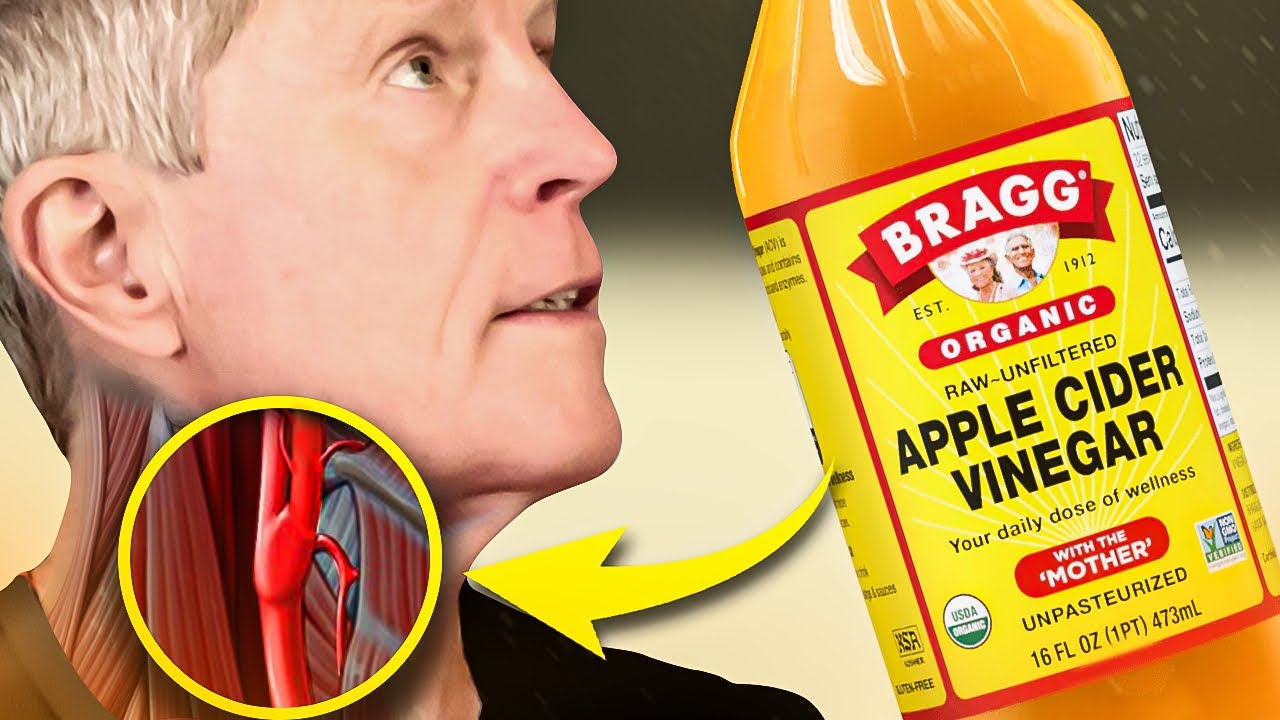
🍎 Can Apple Cider Vinegar Help Prevent Arterial Plaque?
Apple cider vinegar is often promoted for blood sugar control, heart health, weight management, and digestion—but what does the science actually say? In this article and video, Dr. Ford Brewer examines the evidence behind ACV, separating proven benefits from popular myths. Learn how it may support metabolic and cardiovascular health, where its limitations lie, and why it works best as part of a healthy lifestyle—not as a miracle cure.
ketogenicfasting
Sep 11, 20254 min read


🥐 Breakfast: How Marketing Created the "Most Important Meal of the Day"
The idea that breakfast is the most important meal of the day owes much of its popularity to cereal marketing. Before the Industrial Revolution, breakfast was not a standardized routine, and some cultures ate only one meal daily. Early cereals were created as health foods but evolved into heavily marketed products. Today, growing interest in intermittent fasting and ketogenic diets is prompting many people to rethink traditional breakfast habits.
ketogenicfasting
Jul 25, 20254 min read


The Glycemic Index: What It Measures — and What It Doesn't
What does the Glycemic Index (GI) actually measure? Learn how GI affects blood sugar, why low-GI foods are not always keto-friendly, and why total carbohydrates often matter more for ketogenic diets. Discover the difference between Glycemic Index, Glycemic Load, and net carbs, and how Comfort Keto evaluates foods for blood sugar management and low-carb living.
ketogenicfasting
Jul 8, 20254 min read


❄️ Emergency Frozen Dinners: When an Empty Fridge Leaves You No Choice
Frozen dinners offer convenience when time is short or the refrigerator is empty, but most conventional products rely heavily on refined carbohydrates, industrial seed oils, added sugars, flavor enhancers, stabilizers, preservatives, and other ultra-processed ingredients. Learning to read ingredient lists instead of front-label marketing helps you make more informed choices and reserve these meals for occasional emergencies rather than everyday eating.
ketogenicfasting
Jul 4, 20256 min read


The Big Fat Surprise: How Seed Oils Came to Dominate the Modern Food Supply
For decades, vegetable oils have been promoted as healthy alternatives to animal fats. This presentation explores their history, rise in consumption, manufacturing process, and potential health concerns. Drawing on the work of Nina Teicholz and others, it examines the role of nutrition policy, the American Heart Association, oxidation products, mitochondrial health, hidden research data, and why the debate over seed oils remains controversial today.
ketogenicfasting
Jun 19, 20252 min read


🔥 Counting Calories: The Truth Behind the Numbers
You can’t go anywhere these days without running into calories. 👀 They're on restaurant menus. 🛒 On every box and bottle at the supermarket. 🏃♀️ And flashing on your treadmill screen as you watch the “calories burned” tick upward. We’re taught a simple formula: Eat more calories ➡️ gain weight. Cut calories ➡️ lose weight. But is it really that straightforward? 🤔 If it were, then 500 calories of roasted zucchini would be equal to 500 calories of Oreos. (Spoiler alert: Th
ketogenicfasting
May 13, 20254 min read


🌱 The Soy Debate: Understanding the Benefits, Risks, and Impact on Health
Soy, including tofu, offers benefits like plant-based protein and heart health but raises concerns due to its estrogenic effects, potential thyroid disruption, and high GMO content. Women, especially those with thyroid issues or estrogen-sensitive conditions, should moderate soy intake. Chef Janine avoids soy in her gourmet keto meals to prioritize hormone-safe ingredients that support metabolic and overall health. Moderation and organic choices are key for safe soy consumpti
ketogenicfasting
May 10, 20255 min read


🌾 What's With Wheat? The Hidden Health Risks of Modern Wheat
Once celebrated as the “staff of life,” wheat has undergone dramatic changes through modern agriculture and industrial food production. The documentary What's With Wheat? explores how today's wheat differs from traditional varieties and examines its potential links to celiac disease, gluten intolerance, autoimmune disorders, inflammation, and other chronic health issues. It challenges viewers to rethink their relationship with modern wheat and make more informed choices about
ketogenicfasting
May 6, 20255 min read


❗🍽️ Fake Food Series: 🍎 Lab-Grown Fruit Without Trees?—But Do We Need It?
🧪 Scientists in New Zealand are growing fruit in labs, claiming it's needed due to climate change. But 🌱 CO₂ levels are still below historic norms and have actually boosted plant growth worldwide. Farming conditions are improving, not worsening. So why shift to labs? 💼 Control: patented food, centralized supply chains, and corporate ownership. And get this—lab-grown meat has a higher carbon footprint than traditional meat. 🤯 Is this really progress?
ketogenicfasting
May 2, 20254 min read


🥑🥩 "Essential" Fatty Acids: Why We Need Them, Where They Come From
Omega-3 and omega-6 are essential fatty acids your body can't make, so you must get them from food. Omega-6 (LA) aids clotting and immunity, while omega-3 (ALA) supports brain and heart health—but converts poorly to EPA/DHA, which are mainly in fish. Too much omega-6, especially from seed oils, can fuel chronic inflammation. Balance is key—aim for more omega-3s, fewer processed oils, and know that even carnivore diets can meet essential fat needs.
ketogenicfasting
Apr 18, 20253 min read


🛢️🥗 “Canola” Oil Is The Acronym For Rapeseed Oil
Canola oil, made from rapeseed, was rebranded in Canada to distance it from its toxic origins. High in omega-6, it contributes to inflammation when not balanced with omega-3s. A healthy fat intake includes a mix of omega-3, omega-6, saturated, and monounsaturated fats. To lower inflammation and disease risk, reduce omega-6 oils (like canola, soybean) and increase omega-3s from fish, flax, chia, walnuts, and grass-fed meats. Choose cooking oils like olive, avocado, butter, or
ketogenicfasting
Apr 11, 20255 min read
bottom of page